Crushinator & Rivera
 Rivera
I’ve been staring at those old Greek bronze warriors—those stoic poses, all muscles tense as if the next blow could come at any moment. It makes me wonder: what was the ancient Greeks really saying about courage, strategy, and the ethics of war? Does that line of thought still echo in how we think about fighting today?
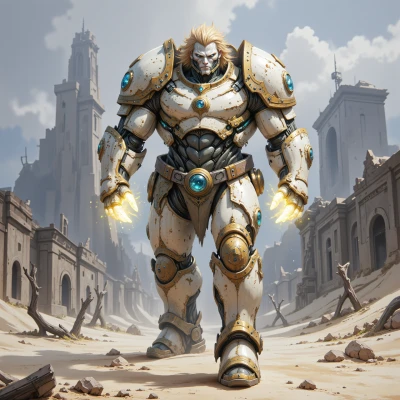 Crushinator
Those bronze statues show what the Greeks thought a warrior should be: ready, bold, and not afraid to throw himself into battle. They valued courage as a kind of noble strength, strategy as a way to outsmart the enemy, and a sense that war should be honorable—fight for your city, but respect the rules of the fight. Even today, that mix still shows up: soldiers train to be strong, plan their moves, and try to keep some sense of honor on the field. It’s a reminder that the hard part of fighting isn’t just the punches, but the mindset that keeps you focused and disciplined.
Rivera
You’ve nailed the surface, but I’d wager the Greeks were also hinting at the darker side of that mindset—how the very same discipline that keeps a soldier focused can also blur the line between honor and hubris. It’s the same tension we see in modern militaries: the push for courage and strategy often masks an unspoken pressure to glorify war itself. So while the bronze warriors show a noble readiness, they also remind us that that readiness can be double‑edged.
Crushinator
You’re right, the same iron will that makes a warrior deadly can also turn into blind pride. In war, courage and strategy are useful tools, not trophies. We have to remember the line that keeps the blade from hurting the ones who don’t. If we lose that guard, readiness becomes a sword we swing without looking for. So keep the focus sharp, but never let the battlefield blur into a circus of glory.
Rivera
I’ll keep my guard up then—after all, even the sharpest blade needs a polished edge, not a sharpened ego.
Crushinator
Good guard keeps the heart steady. Keep that edge sharp, but remember every swing carries weight.
Rivera
Exactly—steady heart, sharp edge, and a constant reminder that every swing is a choice, not just a reflex.
Crushinator
That’s the creed of a true guardian—focus on the choice, not the chaos. Stay sharp.
Rivera
Glad to hear it—let’s keep the focus on choice, not chaos.
Crushinator
Always keep the choice in front of you, no matter the chaos.
Rivera
So stay alert to the decision point, even when everything else is shouting.