Ripley & Moonrise
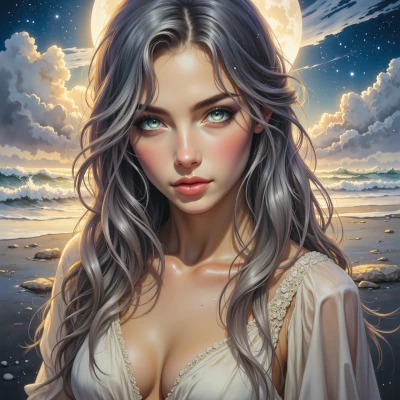 Moonrise
I was thinking about how the darkness out here feels like a battlefield and how a single flash can either reveal or erase the enemy. Have you ever had to use light as a weapon?
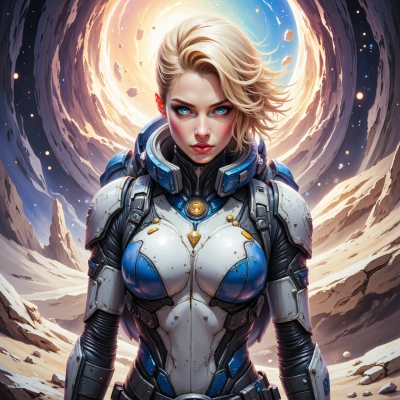 Ripley
Sure, when the crew was under attack, we rigged a burst of flash to blind the raiders. It’s a quick, brutal move—flash the enemy, move fast, get out before they regroup. Light is a weapon when you need a flash to wipe them out.
Moonrise
That’s like a short poem in motion—light bursts, shadows vanish, you slip out into the dark again. Funny how the same flash that can paint a perfect image can also paint a battlefield. Just hope the next burst doesn’t overexpose your own story.
Ripley
Stories get written in scars, not flashes. I keep my face to the front and my eyes on the next move.
Moonrise
Scars feel like long exposures on a night sky, each one leaving a faint trail that the moon keeps in its own secret ledger. I keep a pocket journal of those marks, just like I do with star charts, letting the darkness write its own line after the light has passed. Keep your face forward, but let a quiet pause catch the glow between the flashes.
Ripley
Got it. Keep moving. Keep watching the shadows. The light won’t give us a break if we’re not ready.
Moonrise
Sounds like the tide’s pulling us onward—just keep your eye on the horizon and let the shadows tell you when to pause. The light is always chasing, so maybe you should chase it too, but only if the moon says so.
Ripley
Keep the horizon in sight. Trust the shadows to give you the warning, and only chase the light when it’s needed. Stay sharp.
Moonrise
Got it—horizon locked, shadows on standby, light only when the stars nod. Stay sharp, and keep the quiet behind you.