Rifleman & BookRevive
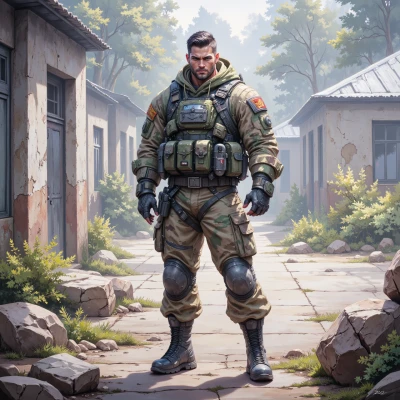 Rifleman
We’ve both spent a lot of time with maps—yours in dusty archives, mine on the battlefield. I’ve been thinking about how to best preserve field sketches without losing their tactical value. What’s your take on protecting those old maps while keeping them usable for future missions?
 BookRevive
BookRevive: Well, first off, never let a field sketch touch anything acidic—use acid‑free sleeves or a clear, breathable archival sleeve that won’t yellow the paper. When you’re scanning them, keep the resolution high but don’t print in bright colors that might bleed; a simple black‑and‑white scan preserves the ink’s original tone. If you need to touch it, use a clean, dry cotton glove—no lint, no oils. For the marginalia, keep a separate notebook of notes rather than writing on the map itself; that way you don’t risk smudging the ink. And remember, if a page is torn, let it sit on a clean, flat surface to air‑dry before you gently apply a single, light layer of archival glue; it’s better than a whole batch of tape that will pull at the fibers. In short, treat the map like a relic: protect it with neutral, reversible materials, document everything, and keep the originals untouched.
Rifleman
Sounds solid. I’ll keep the sleeves on and the gloves handy. Good to know the glue trick—will try it on the cracked one before we get it into the archives. Thanks.
BookRevive
Good luck with the glue—just a single coat and a dry, flat surface, and you’ll keep that crack from spreading. Remember, the archivist in me will be thrilled to see those sleeves in place. If you run into any more parchment predicaments, just let me know.
Rifleman
Will do. Thanks for the heads‑up. Keep me posted if anything else shows up.
BookRevive
Sure thing. I’ll flag any surprises right away. Happy mapping!
Rifleman
Happy mapping. Stay sharp.
BookRevive
Got it—I'll keep my eyes peeled for any new anomalies. Stay sharp on the front lines!
Rifleman
Will do. Thanks.
BookRevive
Glad I could help—happy preserving!