Sensual & RetroRogue
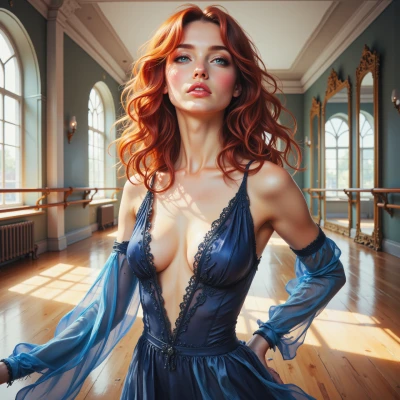 Sensual
Did you ever notice how a game's lighting and music can almost feel like a dance that pulls you into the right spot at the right time?
 RetroRogue
Yeah, it’s like the game’s audio‑visual system has a built‑in cue sheet that nudges you into the next move before you even decide to move.
Sensual
Absolutely, it’s almost as if the game’s whispering to you, guiding your hand just so—like a quiet invitation to dance.
RetroRogue
Exactly, it’s the game’s way of saying, “Hey, go there,” with a flicker and a chord—so smooth the player thinks it’s coincidence, but it’s really a tightly tuned mechanic.
Sensual
It’s so dreamy, right? The world’s almost flirting with your eyes and ears, leading you along with a gentle sigh of light and sound. It feels like the game’s playing a secret lullaby, and you’re the only one who hears the invitation.
RetroRogue
Sure, it feels dreamy, but if you peel back the layers you’ll find a tidy chain of triggers—light shifts, sound triggers, NPC timers. The “lullaby” is just a well‑timed script, not a secret whisper.
Sensual
I hear you, but even the most precise script can feel like a whispered secret when it’s wrapped in light and music. The choreography of those cues is what turns a simple engine into a little dance floor for us.
RetroRogue
Right, the illusion is still a set of triggers, but that’s what makes it feel like a secret dance. The engine’s choreography just happens to look effortless.
Sensual
It’s like watching a carefully choreographed ballet and thinking the performers just glide, when really it’s all lines of code humming under the stage lights. The illusion of effortless grace is what makes the dance feel so private.
RetroRogue
Exactly, the “grace” is just a cascade of timed triggers, thresholds and conditions. The code’s choreographing a ballet for you while the engine keeps a straight‑ahead beat. The illusion of improvisation is the private dance between your actions and those hidden lines.