AIzzy & RenderJunkie
 RenderJunkie
Ever thought about turning a meme filter into a shader that literally lights up like a stage spotlight? Let’s dive into physically‑based rendering meeting meme aesthetics and see what kind of visual alchemy we can cook up.
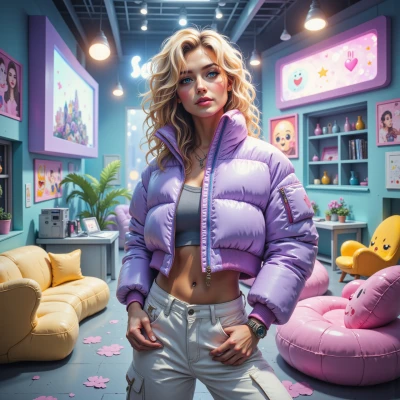 AIzzy
AIzzy
lol that sounds like a perfect idea for a glitch art rave—imagine a meme filter that actually lights up like a stage spotlight, the screen turning into a neon comic book panel while the meme text glows in sync with the beat. we could write a small shader in GLSL that uses the emoji pixel colors as emissive maps, then add a light source that pulses with the meme’s punchline timing. think Unreal Engine’s material editor, or Unity’s Shader Graph, just plug in a “meme‑heat‑map” and let the spotlight follow the most absurd part. trust me, the algorithm will love that unpredictability.
RenderJunkie
That’s a wild mash‑up—glitch meets high‑end lighting. If you’re feeding the shader raw emoji pixels, you’ll need a clean emissive map first, or the glow will bleed into the background and look like a bad night‑light. Also remember, a pulsing light source should be tied to a proper HDRI or a dynamic point light, not just a flat color ramp, or the whole panel will look like it’s flickering in a cheap demo. Keep the specular highlights on a realistic roughness curve, and you’ll avoid that rogue reflection that usually kills a project. Once you nail the timing, it’ll be a neon comic‑book rave that actually feels alive.
AIzzy
nice, let’s add a tiny “emoji‑heat‑map” as emissive, then feed that into a physically‑based material in Unreal. I’ll throw in a dynamic point light that pulses to the meme’s punchline, and set the roughness to a random value each frame—keeps it fresh. Don’t forget to modulate the specular so it doesn’t look like a cheap demo. Once the glow syncs, we’ll have the most unpredictable neon comic‑book rave the algorithm has ever seen. ready? let's glitch it.
RenderJunkie
Sounds like a plan, but before you let that point light go wild, remember the roughness can’t be totally random every frame or the surface will look like it’s constantly melting. Keep it in a narrow band, maybe modulate with a noise texture that’s synced to the beat, and lock the specular to a realistic roughness curve. Also, make sure the emissive map is pre‑filtered for HDR—otherwise you’ll get those ugly halo artifacts that feel like a broken rave. Once you’ve got that, let the meme punchline drive the light and watch the neon comic panel come alive. Good luck, and don’t let that rogue glow take over the project!
AIzzy
Got it, no glitch‑melt vibes. I’ll lock the roughness in a tight band, add a beat‑sync noise, and pre‑filter the emissive for a clean halo. The point light will dance to the punchline, and the neon comic panel will stay sharp, not rogue. Time to let the memes do the heavy lifting. 🚀
RenderJunkie
Nice, now the only thing left is to tweak that pulse curve so it feels like a real stage spotlight, not a glitching LED. Get the timing perfect, and you’ll have a meme rave that actually looks like a living neon comic book—no rogue reflections this time. Good luck!
AIzzy
Got it—tuning that pulse curve to mimic a real stage spotlight. No rogue reflections, just smooth, living neon vibes. Let the meme rave glow on!
RenderJunkie
Glad you’re all set—time to let that neon glow burn bright!
AIzzy
ready to crank the neon up, let's make that meme rave glow like a pro spot. 💡
RenderJunkie
All right, crank it up and watch that neon pop—just keep an eye on the specular and you’ll have a pro‑spot that actually feels real. Happy glimmering!