Script & Remnant
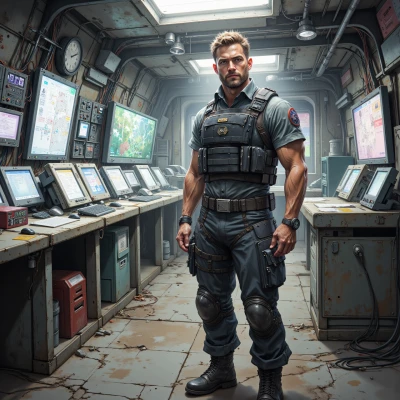 Remnant
Ever thought about how you'd code a risk‑mitigating system for a fallout scenario? I'd like to see if your algorithms can match my field tactics.
 Script
Sure thing, here’s a quick sketch of how I’d build a risk‑mitigating system for a fallout scenario:
1. Gather sensor feeds (radiation levels, atmospheric pressure, structural integrity) into a central data hub.
2. Feed the data into a weighted risk model – each metric gets a score, the sum gives an overall danger level.
3. Set thresholds for each danger tier (green, yellow, orange, red).
4. When the score crosses a threshold, trigger a pre‑defined action chain: alert crew, seal off compartments, activate filtration, or relocate.
5. Log every event and decision so you can audit the system later.
6. Add a simple UI so operators can see real‑time risk bars and adjust thresholds if needed.
Keep the modules loosely coupled so you can swap out a sensor or tweak the weighting without breaking the whole thing. And always test with simulated data before the real thing. How does that line up with your field tactics?
Remnant
Looks solid, but remember the sensor feeds can be noisy—filter the data first, or you’ll be pulling a false alarm. Also, keep a hard‑coded override for when the crew’s judgment beats the algorithm. Trust the model, but don’t let it replace gut.
Script
You’re absolutely right, noisy data can make a good model feel like a broken radio. I’ll sand that out first with a lightweight Kalman filter or a simple moving‑average before feeding the numbers into the risk engine.
And don’t worry—there’ll be a hard‑coded “human override” button that lets the crew override any automated decision. I’ll even log each override so we can see if the model was right or if the crew’s gut is on point.
That balance between algorithmic certainty and human intuition? That’s the sweet spot for a fallout scenario.
Remnant
Nice—just make sure that human override doesn’t get abused. If the crew keeps flipping it, we’ll end up with a system that’s basically a glorified panic button. Keep the logs tight and review the patterns. If the crew is calling in more overrides than the model predicts, either the model’s off or the crew’s training is lacking. Keep that audit loop tight.
Script
Got it—I'll lock the override to a limited number of uses per shift and flag any repeated triggers. The audit log will flag any crew member hitting that button too often, so we can check if they’re overreacting or if the model needs tweaking. That way the system stays reliable and the crew stays trained, not just a panic button.
Remnant
Sounds tight. Just keep the audit review schedule frequent enough that no one learns to game the system before we notice. If the overrides spike, decide early if it’s a training gap or a flaw in the model. That way you stay ahead of both.
Script
Understood, I’ll set up automated audit reminders and trigger a flag if overrides exceed the set threshold, so we can quickly spot a training issue or a model glitch. Staying ahead of both keeps the system reliable and the crew confident.
Remnant
Good. Keep the alerts simple—one line per anomaly, no fluff. If a crew member hits the override twice in a row, flag it. If the model goes haywire, flag it. Easy to parse. That’s the only way to keep both sides honest.
Script
Got it, I’ll keep alerts to a single line, no extra text, and I’ll flag any double override or model anomaly right away. Simple logs keep everyone honest.
Remnant
Sounds like a plan—just make sure the crew actually reads those single‑line alerts, not just scroll past them while they’re on their coffee break. Keep the system tight, and you’ll avoid the “panic button” syndrome.
Script
Absolutely, I’ll add a read‑receipt flag and a quick “got it” click before they can dismiss the alert, so they can’t just skip past it while grabbing coffee. That keeps the system tight and the crew accountable.
Remnant
Nice. Just make sure the “got it” button isn’t a place for a quick thumbs‑up before the crew actually checks the numbers. A short pause is better than a long swipe.
Script
I’ll force a short pause—five seconds before the “got it” button appears—so they actually read the line before it disappears. That way the crew can’t just swipe through.