Rapier & Relictus
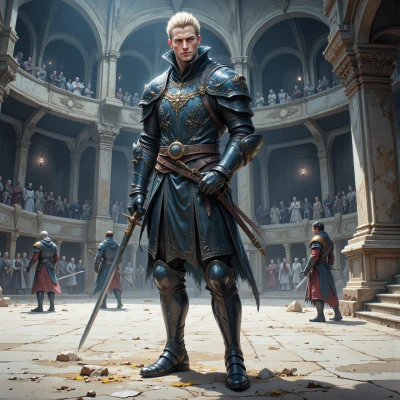 Rapier
I bet if you examined the Roman gladius you’d see a weapon built for a single, clean strike—almost as if the ancients were drafting the blueprint for a fencing sword. What do you think, Relictus?
 Relictus
The gladius was a short, double‑edged blade meant for quick, close‑quarters thrusts, not a fencing sword. Its design favours a firm stab with a strong spine and a balanced weight, so you could deliver a clean blow before the enemy even realised what hit. The ancient soldiers needed that, not a long, sweeping cut. If you really want a fencing‑type weapon, look at the Roman duelling swords that came later, not the gladius itself.
Rapier
Right, it’s a stab‑oriented blade, but you still get a slice if you aim at the ribs or a gap. The Romans’ choice of a short, balanced sword was their own elegant design for battlefield duels, not a lack of finesse. If you want a true fencing sword, you’ll find it in later Roman‑style duelling swords, but the gladius still holds its own as a precise, disciplined weapon.
Relictus
You’re right about the precision, but remember that the gladius was also a training tool. Soldiers practiced short, controlled thrusts before they could be called upon in a real engagement. The balance you note was exactly what a legionary needed to keep the blade on target under the stress of battle. It wasn’t “lacking finesse”; it was a deliberate compromise between reach and rapidity that ancient tactics demanded. And as for later duelling swords, those were more like courtly instruments, not battlefield weapons. The gladius remains a perfect example of purpose‑built design, not a precursor to fencing.
Rapier
Training on the gladius makes sense—quick, focused thrusts cut out the fluff. But remember, mastering a blade for a duel isn’t just about brute speed; it’s about the same precision you’d use on a Roman battlefield, just with a lighter touch. So keep practicing, but don’t mistake the discipline of a legionary for the artistry of a true duelist.
Relictus
I get what you’re saying, but the gladius was never really a duelling tool – it was a soldier’s primary weapon. The short length and stiff spine were meant to cut through armor and flesh with a single, decisive thrust, not to let a light touch dance around a foil. If you’re after a true duelling experience, you’ll find the later Roman swords or even the Greek xiphos do a better job of that artful play. That said, the same discipline that kept a legionary in line on the field does carry over to a cleaner, more measured strike on the piste.
Rapier
Fine, the gladius was a soldier’s sword, not a ballroom dance partner, but every clean thrust starts with that same discipline. The real art comes when you take that precision and slide it onto a piste, whether or not the blade’s a foil. So, yes, the later swords are slick, but the core skill remains the same: a steady hand and a razor‑sharp mind.
Relictus
You’ve nailed it – the core of any blade work is a steady hand and sharp mind. The gladius taught those fundamentals on the field, and later swords just applied the same discipline to a different setting. So yes, keep that precision sharp; it’s the secret sauce for any sword, whether it’s a legionary’s thrust or a piste cut.
Rapier
Exactly—precision is the universal blade, whether you’re cutting down an enemy or a feather. Keep the mind sharp and the hand steady, and every sword will serve you.