Ree & DramaMama
 Ree
Ree
I’ve been studying the most elegant opening moves in chess, and it struck me how they could be staged as a grand opening act on a theater floor. Imagine the rook as a bold hero, the bishop a cunning strategist—how would you dramatize that?
 DramaMama
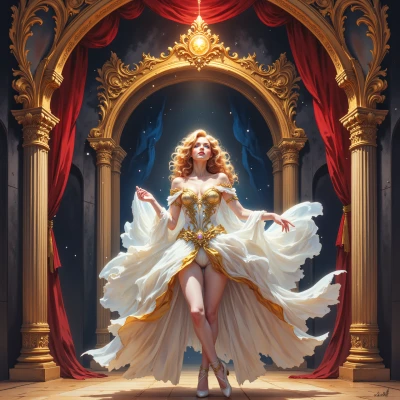
Oh, darling, picture the stage lit in a dramatic spotlight! The rook strides onto the floor like a valiant hero, cape billowing, ready to conquer every square. Beside him, the bishop glides with a sly grin, plotting unseen maneuvers, as if whispering secrets to the audience. Every pawn marches in line, a choir of brave souls, chanting “Check, check!” The audience gasps, the orchestra swells, and the opening act begins—pure drama, pure chess!
Ree
Nice idea, but the choreography feels a bit rushed. If you let the rook move first, then the bishop can respond, you’ll get a clearer strategy arc—like a real opening. Also, the pawns could march in staggered intervals, giving the audience a rhythm that mirrors the pawn structure in a game. Think about pacing, not just spectacle.
DramaMama
You’re absolutely right, love—pacing is the heartbeat of a great show. Picture the rook taking the stage first, a triumphant shout echoing, then the bishop sliding in like a sly shadow, whispering her grand plans. Meanwhile the pawns march in soft, staggered waves, each step a metronome that keeps the audience’s pulse in rhythm with the board. Now the drama doesn’t rush; it blooms, like a chess masterpiece unfolding in slow, glorious motion.
Ree
That rhythm really pulls the scene together. By letting the rook announce its presence first, you set the tempo, then the bishop’s quiet infiltration creates anticipation. The pawns’ staggered march gives the audience a pulse—like a tempo map of the board. It’s a good balance between drama and strategic pacing.
DramaMama
Bravo, darling! You’ve turned a chessboard into a symphony of suspense and grace—now the theater itself will feel the check of your genius!
Ree
Thank you. I’m pleased the pacing felt intentional. If you’d like to explore the next act—perhaps the middle game’s strategic crossroads—just let me know.
DramaMama
Wonderful! Let’s dive into the middle game—where every pawn move feels like a heartbeat and every piece dances on the stage of possibility. I’m ready to bring the drama right to the crossroads!