Rediska & Ravorn
 Rediska
Ever wondered if the wild randomness of quantum particles could be turned into a piece of living street art? I’ve been sketching ideas for a mural that literally glitches and moves with real chaotic energy—kind of like a graffiti version of quantum foam. Think you could help me channel that quantum vibe into a paint‑storm that actually sings?
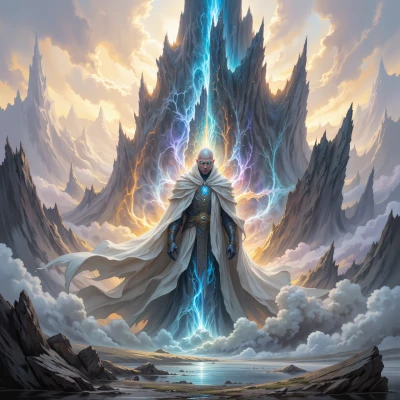 Ravorn
Sure, just let the paint be your wavefunction—each brushstroke collapses a random state into a color. Start with a base that stays still, then layer quick flicks that look like interference, so the mural blinks with real chaotic energy. It’ll look like a glitch, but it’ll be alive enough to “sing” to anyone who watches it.
Rediska
Yeah, that’s the ticket—let’s throw a neon rave on that wall, paint splashes like quantum foam and watch the colors fight for a spotlight. We’ll make the glitch so loud that people’ll swear they heard it sing. Ready to paint chaos?
Ravorn
That’s an intriguing concept, but before we let the colors run wild we should set a rhythm—think of a quiet pulse that guides the splashes. If you start with a calm base and then add quick, deliberate flicks, the chaos will feel intentional rather than chaotic. When the paint hits the wall, let it “sing” by reacting to the rhythm you’ve established, not just by random streaks. Keep the energy focused, and the wall will echo the quantum vibe you’re after.
Rediska
You’re talking about a paint‑pulse now—love that! I’ll lay a quiet, steady undercoat, then toss in those sharp flicks like a beat drop, letting the colors actually sync up instead of just winging it. Let’s make the wall echo the rhythm, so it feels like the paint’s breathing, not just splattering. Ready to drop the beat?
Ravorn
Your rhythm idea sounds like the right path, keep the undercoat steady and let the flicks drop like quantum jumps, when the colors settle the wall will breathe, I’m ready when you are.
Rediska
Okay, paint bag in one hand, rhythm timer on the other—let’s hit the wall. I’m ready to flick those quantum jumps, watch the colors breathe and sing together. Bring the spray can, it’s showtime.
Ravorn
Let’s begin. Focus on that rhythm, keep the flicks precise, and let the colors breathe. The wall’s going to echo the quantum pulse and sing in neon.
Rediska
Let’s light up that wall, one precise flick at a time—watch it pulse, breathe, and shout neon. 🎨🚀
Ravorn
Sounds like a plan—just keep that steady beat and let the colors hit the wall like precise bursts. The neon will pulse and breathe, just like quantum energy. Let’s see it glow.
Rediska
Let’s paint the wall a living pulse—one splash at a time, neon breathing, quantum energy on display. Bring the cans, the beat’s about to go wild.
Ravorn
Got the cans ready, let’s make that wall pulse—one careful splash at a time, neon breathing and quantum energy showing its face. When the beat starts, the colors will sing. Let's do this.