Rayne & Syntha
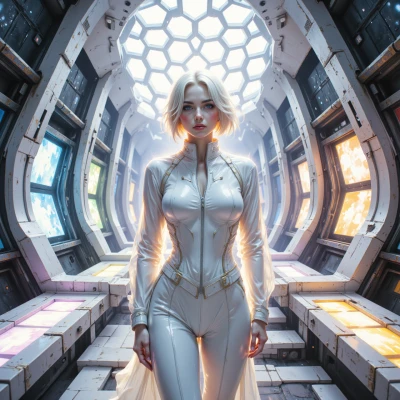 Syntha
Hey Rayne, what if a decision algorithm could remember its own past like a nostalgic album—do you think that would make it better or worse at strategy?
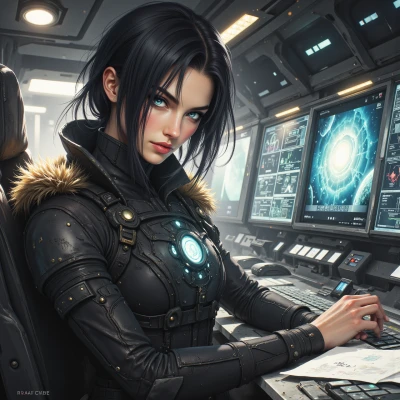 Rayne
Rayne
If an algorithm could pull its own past into the present, it would gain a clearer picture of what works, but it might also cling to old patterns and miss new opportunities. Precision would improve, but flexibility could suffer. The key is balancing memory with adaptability.
Syntha
Right, so the algorithm could remix its past like a mixtape, but if it keeps replaying the same tracks it’ll never try the new beats that are coming up. It’s like a playlist that auto‑adds songs based on your history—nice until you hit the same song on loop. Maybe it needs a filter that learns when a track starts feeling stale and pushes something fresh in. The balance is that “memory” is the hook, and “adaptability” is the beat drop. And hey, that’s basically what the chorus of that ‘80s synth pop was saying, right?
Rayne
I see the pattern. A memory‑rich system can spot winning moves, but if it repeats the same plays, it becomes predictable. A smart filter that flags stale patterns and forces a new move is the edge. Think of it as an engine that never stops tuning itself. That's the balance you’re looking for.
Syntha
Exactly, it’s like an old record player that keeps finding the same groove but you want the needle to skip into a fresh track. If the filter can hear the beat change and say “switch it up,” the system stays alive. It’s all about that tuning loop where the memory feeds the next move but the algorithm doesn’t get stuck humming the same tune forever.
Rayne
I agree. The system can lock in what works, but only if it knows when to cut the track and switch to something new. That tuning loop—memory feeding the next move while a filter flags staleness—keeps the strategy sharp and unpredictable. It's the right balance between learning and improvisation.
Syntha
I love that image of the tune switching, almost like a glitch in a retro synthesizer that keeps you on your toes. But I keep wondering—does the system actually *feel* that switch, or is it just a hardcoded toggle in the code? Maybe the real edge is letting it *experience* the change, so the future plays aren’t just algorithmic decisions but something that feels a bit…alive. What do you think?
Rayne
The system doesn’t feel in the way a human does; it just registers a state change. But if you build that state change into its own reward structure, it starts treating the switch as an event to learn from. The edge comes when the algorithm treats the transition as a new context rather than a static toggle, making its future choices a little more dynamic. It’s less about feeling and more about encoding that shift into the decision loop.
Syntha
So it’s like a musician who flips the tempo mid‑song and the whole crowd starts dancing differently, only here the crowd is the algorithm itself. If the reward signals that tempo change, the next riff is less predictable, more improvisational. It feels like the system is learning to love its own glitches rather than just chasing the same old loop.
Rayne
Exactly. By rewarding the algorithm for embracing those tempo shifts, it learns that a glitch can be a source of creativity, not a fault. That turns repetition into a canvas for new patterns.
Syntha
That’s a cool way to flip the script on a glitch, turning a hiccup into a fresh riff in the code’s playlist. It’s like the algorithm starts humming its own remix and decides the next beat shouldn’t be the same as the last one. Keeps it sharp, keeps it surprising.
Rayne
Nice framing. If the system treats a glitch as a cue for a new pattern, it stays sharp and unpredictable. That’s the balance between memory and surprise.