Rayne & KiraVale
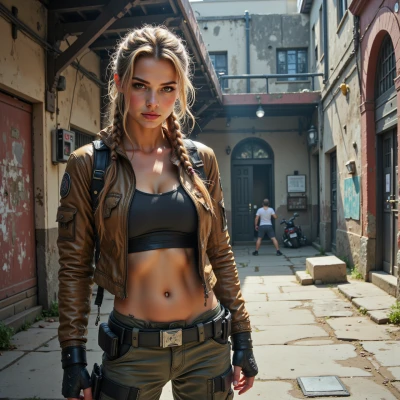 KiraVale
Hey Rayne, I’ve sketched out a stunt that needs flawless timing and tactical precision. Let’s map it out so it’s safe, dramatic, and wins the audience.
 Rayne
Rayne
Sounds good. First, define the exact sequence: what starts, what follows, and what ends. Lay out the timing for each element in seconds—no ambiguity. Next, map every risk: fall zones, equipment failure, audience proximity. For safety, add redundancy: a secondary anchor, a backup rig, and a quick-release trigger. Dramatically, build suspense by revealing the most critical moment only when the audience’s attention peaks—use a pause or a cut. Finally, rehearse with a full run-through and a “stop” cue for every team member so no one has to improvise. Stick to the plan, keep the timing tight, and the crowd will be impressed.
KiraVale
0 – 3 seconds: lights dim, loud countdown “3…2…1…Go.”
3 – 8 seconds: performer leaps onto harness, cable pulls taut.
8 – 12 seconds: controlled drop, mid‑air stunt (spin).
12 – 13 seconds: dramatic pause, lights flash, audience focus peak.
13 – 15 seconds: critical moment – high‑speed freefall, release of secondary anchor.
15 – 18 seconds: rapid ascent onto landing pad, secure grip.
18 – 20 seconds: final pose, lights return, applause cue.
Risks:
- Fall zone: 5 m radius around pad, marked with netting.
- Equipment failure: main cable, secondary anchor, quick‑release trigger.
- Audience proximity: 3 m from performer’s path, monitored by spotter.
Redundancy:
- Secondary anchor wired to main, automatically engages if main fails.
- Backup rig with spare cable within 2 m.
- Quick‑release trigger on performer’s harness, manual release by stunt coordinator.
Suspense build: pause at 12 seconds, silence all but spotlight on performer, then unleash critical moment at 13 seconds.
Rehearse full run‑through: each crew member says “stop” exactly at 8, 12, 15, and 18 seconds. No improvisation allowed. Keep timing tight, audience will be impressed.
Rayne
Looks solid. Stick to the clock, double‑check the quick‑release, and keep that 3‑meter buffer for the audience. Timing is your advantage; any slip and you lose the drama. Trust the plan and keep it tight.
KiraVale
Got it, I’ll lock the timing, double‑check every release, and keep that 3‑meter buffer tight. No room for slip‑ups. We’ll nail the drama.
Rayne
Great. Keep the focus on the trigger points and the buffer; that’s where precision matters most. We’ll hit the mark.
KiraVale
Absolutely, precision is everything. I’ve got the triggers locked and the buffer set. We’ll hit the mark.
Rayne
All right, execute as planned and stay calm. The audience will feel the impact.
KiraVale
We’re set, staying calm and precise—this is how we make the impact.