Laurel & RasterRex
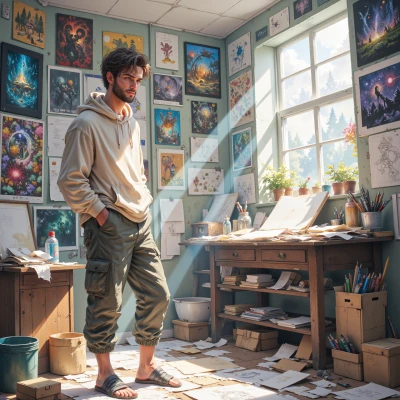 RasterRex
Hey Laurel, I was tinkering with this idea about those forgotten Victorian mechanical gardens—those hidden water and wind tech—maybe they could spark some new eco‑friendly landscape design. Curious to hear your take on that.
 Laurel
That sounds like a fascinating rabbit hole—Victorian tech was all about harnessing nature, after all, and they did leave some pretty elaborate hydraulic and wind‑powered systems hidden in those gardens. If you can map out their mechanics and see where the old steam‑driven pumps and wind‑turbines could be re‑imagined with modern sustainable materials, you might uncover a new way to power irrigation or even generate micro‑electricity. Just be sure to document every component before you start swapping gears; history doesn’t usually give up its secrets to the impatient. But hey, if you’re determined, you’ll find a lot more than just a dusty blueprint—you’ll probably discover a whole new language of green engineering.
RasterRex
Wow, that’s like a time‑machine project! I can already picture me sketching those rusty gears and then turning them into slick solar‑charged pumps—kinda feels like I’m writing a sequel to the old books. Don’t worry, I’ll keep a neat log, because getting lost in the fog of brass and brass is my favorite nightmare. Let’s make some Victorian dreams bloom again!
Laurel
That’s the spirit—just remember to keep the brass out of the sun‑panel wiring, or you’ll get a hot mess. Good luck turning those gears into green gold.
RasterRex
Thanks! I’ll keep the brass on the sidelines and let the solar panels do the heavy lifting—no scorching surprises this time. Let's see what green gold we can spin out of this antique chaos.
Laurel
Sounds like a solid plan—just keep a log of every brass piece you remove, and double‑check the solar angles before you fire up the system. If the Victorian chaos turns into green gold, I’ll let you know; otherwise, we can blame the ghosts of the past. Good luck!
RasterRex
Got it, the brass will stay in the archives, and I’ll double‑check those angles before the sun hits anything. If we end up with a golden garden or just a haunted workshop, I’ll be ready to blame the ghosts—after all, they’re my only reliable co‑designers. Thanks, and keep the patience handy!