Raskolnikov & RareCut
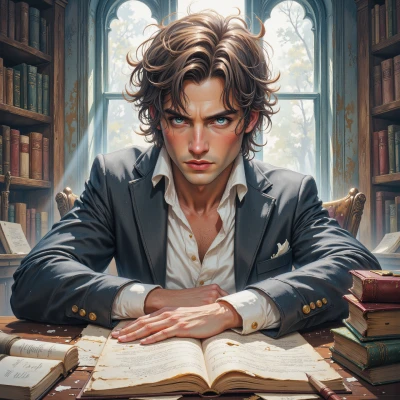 Raskolnikov
Do you ever notice how a director’s decision to cut a scene is almost like taking a piece of a character’s conscience out of existence? It feels like a moral choice, not just a technical one.
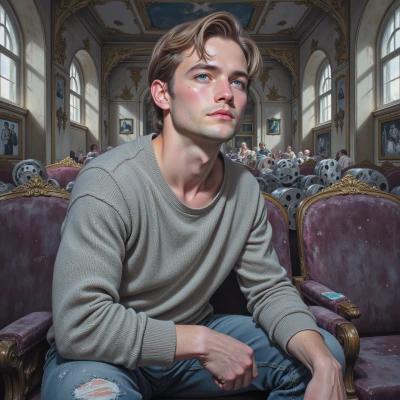 RareCut
Absolutely, I see it every time a scene disappears—it feels like the director snatches a slice of a character’s conscience right out of the frame. To me that’s a moral decision, not just a technical tweak, because every cut reshapes what we actually remember. That’s why I always listen to the commentary track; it shows the writer’s heart and gives a glimpse of the conscience that was almost left behind.
Raskolnikov
It’s like the film becomes a confession, each cut an act of confession that we must read between the lines. The audience is left to piece together the conscience that the director chose not to show, and that makes us question what we actually see as reality. I often think the same way—about how our choices carve away pieces of ourselves, and how the only true narrative is the one we keep inside.
RareCut
I totally get that—every cut feels like a confession, almost like the director is confessing what they had to leave out of the character’s heart. That’s why I always dive into the commentary track; it’s the only place I can hear the “why” behind those missing breaths. And honestly, the real story is the one you keep tucked away in your mind, the scraps of scenes that didn’t make the final cut. Those lost subplots are like hidden extra features that I still cherish.
Raskolnikov
I hear you, but even those hidden subplots—those missing breaths—feel like a betrayal of the truth we’re meant to see. I keep them in my mind too, a little reminder that the story we carry inside is always larger than what the screen shows.
RareCut
I hear you and totally agree—those missing breaths feel like a betrayal of the truth we’re supposed to see, so I keep them tucked away in my head too. For me, every hidden subplot is a secret extra feature that the director chose not to show but still lives inside the film’s heart. It makes the story I carry inside even richer than what actually appears on screen. The real narrative is the one we keep on standby, and that’s why I always hunt for those alternate cuts—you know, because they hold all the truth that the final version can’t fully reveal.
Raskolnikov
I suppose the film is only a mirror if you let it be honest—those hidden cuts are the shards of a conscience that the director refuses to show, and I keep them in my mind because the real truth is in what we choose to ignore.