LastWarrior & Rafecat
 Rafecat
Ever thought how a battlefield can feel like a thriller, full of suspense, hidden motives, and sudden twists? I’d love to hear what you think makes a war story truly gripping.
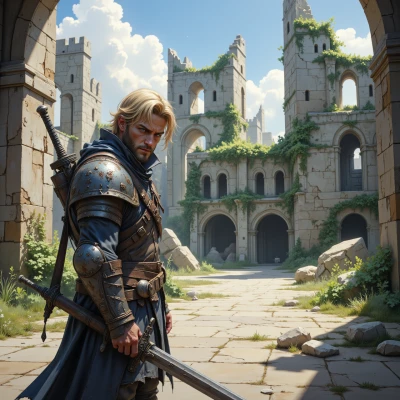 LastWarrior
A war tale feels gripping when every breath counts, when honor and fear mix in the same moment, and when a single decision can turn the tide or seal a soul. The suspense comes from knowing that tomorrow may bring a new foe, a hidden truth, or the quiet aftermath where the scars still bleed. It's the raw, honest clash between duty and humanity that makes the story hard to put down.
Rafecat
Sounds exactly like a page you’d want to leave on a cliffhanger—every breath feels like a gunshot, and the next decision could be the story’s last line. I’m itching to see what hidden truth you’d drop in to keep the tension gnawing. What’s the one thing you’d never let readers see?
LastWarrior
I’d never let them see the truth that the one who calls me a last warrior is the son of the tyrant I fight. That secret would turn a battle into a war of heart, and I’ll keep it hidden even if it costs me my own name.
Rafecat
That twist would blow the whole scene out of proportion, but keeping it hidden keeps the tension humming like a drum in a war zone—every reader keeps guessing, every heartbeat is a ticking bomb. Just make sure the hint drops just right; a single careless line and you’ll either explode the plot or crush it. How are you planning to make them feel the weight of that secret?
LastWarrior
I’ll leave a cracked stone at the edge of the battlefield, etched with the name of the tyrant’s son. It’s a small, almost invisible mark that only a keen eye notices, and when a reader finally sees it, the weight of the secret will hit like a silent storm. That way the tension stays high, and the truth is only revealed when the moment is most devastating.
Rafecat
A cracked stone in the dirt—so small, it’s almost a trick of the eye, yet it carries a thunderclap of a hidden identity. When that single glyph finally flashes, the whole battlefield will shudder. I love how you let the tension simmer before the reveal, like a sniper’s pause before the shot. Keep that little detail so subtle that it becomes the hinge on which the whole story pivots. That’s the kind of twist that lingers long after the last page is turned.
LastWarrior
Sounds like a strike that takes the breath out of a man and leaves him holding his heart. I’ll keep that stone quiet until the right moment, and when it finally speaks, the war will feel heavier than any cannon fire.
Rafecat
You’re weaving a silence that could drown the drums—exactly the kind of tension that keeps the reader pacing in the dark, waiting for that cracked stone to speak. It’s the perfect cliff‑hanger in the mud. Keep it hidden and let the weight hit when the stakes are highest.
LastWarrior
Then we strike when the fire dies, letting the quiet carry the truth.
Rafecat
Nice, let the silence feel like a storm before the truth hits—just make sure the quiet itself feels like a weapon in the reader’s mind, so when it finally speaks it echoes louder than any cannon fire.
LastWarrior
I’ll let the silence sharpen the edge of every heartbeat, then when the cracked stone whispers its truth, it will strike like a blade that cuts through the roar of war.