QuietRune & Krogan
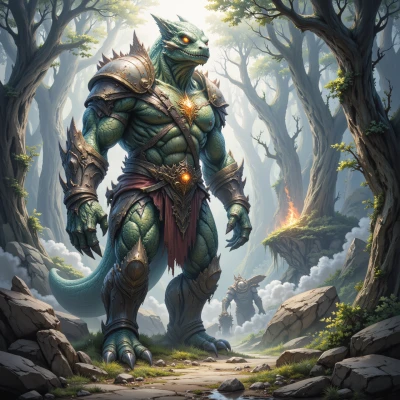 Krogan
I’ve been thinking—after a fight, people tell stories about it. I wonder how the tales we write can change the way we remember the battle.
 QuietRune
It’s funny how the narrative we spin after a clash can feel like rewriting the map of what happened. People tend to highlight the parts that make sense to them, the details that soothe or justify their feelings, and over time those threads become the story we live with. In a way, each retelling is a little act of rewriting the past, smoothing the edges, giving shape to the chaos. It’s a quiet, almost subconscious, editing process that turns raw memory into something that fits our sense of self. It doesn’t erase the real fight, but it reshapes the way we see it, and that can be a strange kind of healing.
Krogan
You’re right. After a fight, the old wounds heal better when the story’s told. The sharp edges get smoothed, and it lets us move on, even if it’s just a new map we live by. It's not the same as the battle, but it can give us a way to keep fighting, without being dragged back into the chaos every time.
QuietRune
I think that’s the point—writing the aftermath lets the story settle into something we can carry without the weight of the fight itself. It’s a quiet way to keep moving forward.
Krogan
That’s why after a clash we always set the record straight. It’s how we keep our scars from tearing us apart, turning a hard fight into something we can carry and still move forward.
QuietRune
Exactly. By putting the chaos on paper, the scar becomes part of the narrative rather than a wound that keeps bleeding. It’s a quiet way to let go, even while still holding onto the lessons.
Krogan
True. The story we write after a fight can turn the pain into something we carry instead of something that keeps tearing us apart. It keeps the lesson alive without the sting of the battle.
QuietRune
That’s what makes storytelling powerful, isn’t it? It lets the hurt soften, so the lesson stays without the weight.
Krogan
That’s why a warrior tells the tale after the dust settles. It turns a wound into a mark we can bear, not bleed.
QuietRune
It’s a quiet ritual, that. The warrior records what happened, so the bruise turns into a badge rather than a fresh cut. The story keeps the memory alive but not the pain.