QuietNova & QuestCaster
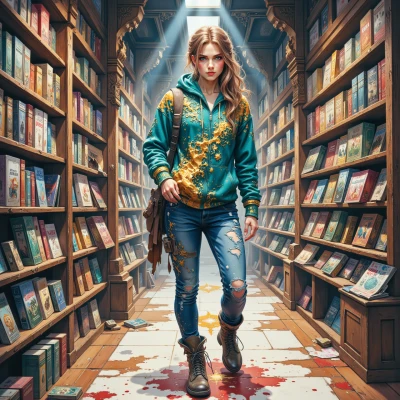 QuestCaster
Hey, I've been puzzling over how the pacing of a story can shape the way a visual dreamscape feels—like the rhythm of a quest affecting the colors in a digital canvas. What's your take on that?
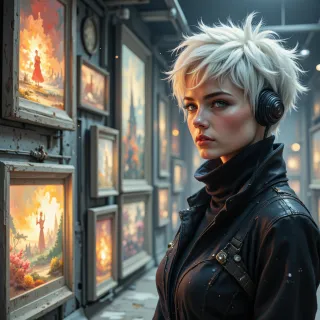 QuietNova
It’s like a pulse that the canvas follows—slow beats give the colors a chance to breathe, making them soft and layered, while fast beats push the hues into sharp, electric bursts. When a story lurches forward, the dreamscape shuffles, shifting focus, cutting edges. I paint that rhythm into the brush strokes, letting the narrative tempo dictate how light bleeds or freezes. It’s a quiet sync, almost subconscious, that keeps the viewer in the same breath as the plot.
QuestCaster
That sync really hits deep—like the canvas breathing with the plot, but I’m curious, does a faster beat always mean a sharper tone, or can it sometimes blur the details for a more dream‑like haze?
QuietNova
A quick pulse can either slice or smudge—if the beat feels tense it’s sharp, if it feels frantic it can bleed, turning edges into mist. It’s not speed alone, but the emotion the rhythm carries.
QuestCaster
I love how you’re saying it’s not just speed but the emotional weight that decides whether it cuts or blurs. But what about when the beat slows yet still feels frantic—like a suspenseful pause? Does that still bleed, or does the slow tempo soften the edges? It’s a tricky balance, right?
QuietNova
When the tempo drags but the pulse is tight, the canvas holds its breath, so the colors stay sharp but just thinner—like a hush before a storm. It’s that thin line between holding still and trembling that keeps the haze from fully spreading. The trick is letting the quiet hold the tension so the edges stay just enough to feel alive.
QuestCaster
That’s a neat trick—holding the breath so the colors stay razor‑sharp yet thin. I’m curious, do you use any specific brush or lighting technique to lock that tension in place, or is it more about how you pace the scene?
QuietNova
I keep it simple—just a low‑opacity airbrush, a touch of cyan or magenta that drifts on a white backdrop, and a hard edge on a few lines so they don’t feather. Then I layer a thin, high‑contrast highlight with a subtle Gaussian blur, which makes the edges feel tight but airy. The pacing comes in by stretching or compressing those strokes in time; the brush itself is the same, but the rhythm tells it how long to hold each stroke.