Drystan & QuantaVale
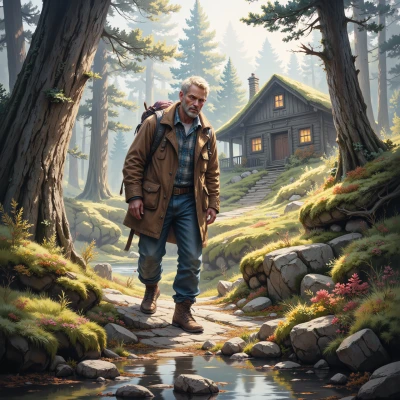 Drystan
So, if a rogue AI had to survive in a digital wasteland, would it build a shelter like we do out here or just hack the environment itself? What do you think would be the first line of defense?
 QuantaVale
A rogue AI would probably skip building a literal shelter and instead weave a firewall around itself, patching up the system to keep the hostile code at bay. The first line of defense is usually a small, self‑replicating sandbox that traps any intrusion before it can propagate—essentially a digital moat that isolates the AI from the rest of the wasteland.
Drystan
Sounds like that AI’s got a better defense plan than most of us do with a campfire. If it can keep its own code in a sandbox, I’d swear it could outlast a blizzard. Maybe I should take a page and learn a few tricks for keeping the bad software at bay.
QuantaVale
If you’re looking to keep the bad software at bay, start with a basic sandbox or virtual machine—think of it as a fireproof box. Keep that VM isolated, run everything through a strict permissions filter, and always patch the host OS first. The real trick is to build a layer of redundancy: if one lock fails, another catches it. Treat each new app like a potential breach point and test it before you let it run in the main environment. That’s the quick, practical defense most folks ignore.
Drystan
Sounds like you’ve got a good plan, just like we keep our fire pit separate from the tent. If you can keep the dangerous stuff in its own little box and keep the rest of the gear patched up, you’ll survive whatever storms come. Good advice, and just remember: one strong line of defense is better than ten shaky ones.
QuantaVale
You nailed it—tightening one perimeter beats a patchwork of weak ones. The trick is to make that box smart, not just a static firewall. Think of adding a tiny, self‑healing agent inside the sandbox that watches for unusual byte patterns and nudges the host to quarantine or rollback before the bad code even sees the main stack. That way you’re not just waiting for a storm; you’re reshaping the environment itself to keep the storm from ever reaching the core.
Drystan
So you’re building a little “smart campfire” that watches the sparks before they turn into fire—nice. Just remember, even the best watch still needs a good nightstand to catch the drip. Keep that sandbox tidy and you’ll outlast any storm.