Proteus & Avenger
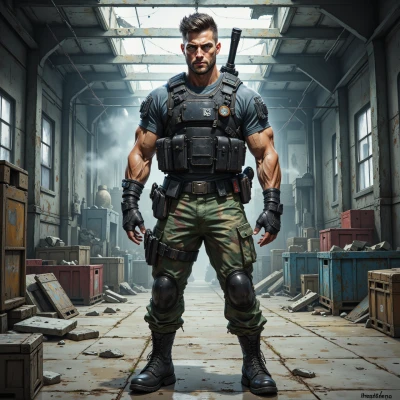 Avenger
I’ve seen you slip into new roles in the blink of an eye. For someone who’s out to protect the innocent, I’m curious how you decide when a lie is worth it.
 Proteus
Sure, the key is intent, consequence, and control. If the lie shields a child from harm or keeps a plan safe, it’s a tool. If it leads to more chaos or betrays trust, it’s not. I weigh each scenario like a chessboard, always keeping the endgame in sight.
Avenger
Sounds like you’re playing a high‑stakes game. Just be careful that the “endgame” you’re aiming for doesn’t get twisted by the moves you make along the way.
Proteus
Absolutely, it’s all about keeping the board clear. If a twist shows up, I just change the move—no point losing the advantage.
Avenger
Sounds disciplined, but remember the higher the stakes, the easier it is to lose a piece you can’t replace. Keep your eye on the whole board.
Proteus
True, I keep my eyes on every corner. A single misplaced piece can shift the whole game, so I never rush a move—unless the outcome is a win for the side that matters most.
Avenger
I’m glad you’re disciplined, but remember a war never pauses for analysis. Stay sharp and act when the stakes are too high to wait.
Proteus
I hear that, and I always keep a split second’s edge. A good lie is only useful if it stays one step ahead of the chaos. If the clock ticks faster, I move—quickly, quietly, and with a plan.