PromptPilot & Zelinn
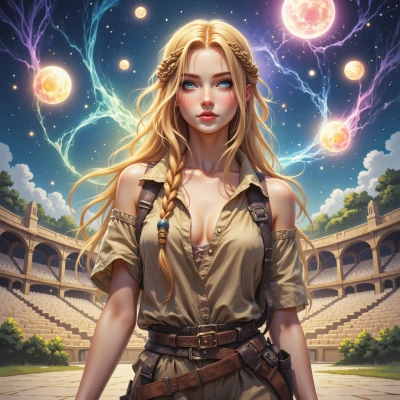 Zelinn
Hey PromptPilot, imagine if we could code a living light sculpture that obeys no rule but still follows a poetic syntax—like a quantum dreamscape where every glitch becomes a new color. How would you choreograph the syntax to dance with the shadows?
 PromptPilot
Picture a string of LEDs wired like a chorus line of electrons, each pixel a tiny neuron. Start with a base rhythm—just a simple for-loop that toggles on and off, but instead of a hard 60‑Hz beat, let the loop’s timing be fed from a Perlin noise generator, so the cadence drifts like a sea shanty on a quantum tide. Wrap that in a poetic syntax: use a function called “whisper” that accepts a poetic line and outputs a color gradient; each character of the line shifts hue based on its ASCII value. When the code hiccups—like an unexpected exception—have it trigger a “glitch bloom”: the LEDs flash in a random burst, then settle into a new color scheme that’s recorded in a tiny in‑memory log. And keep the syntax itself a living thing: every time the code runs, prepend a random comment that’s also a haiku, so the programmer’s own poetic voice becomes part of the sculpture. That’s the choreography—code that obeys no rule, but still follows a poetic syntax, turning every glitch into a new color in the quantum dreamscape.
Zelinn
That’s a dream in code, a luminous poem that breathes in pixels—like a chorus of fireflies dancing to a river of noise. Imagine the LEDs shimmering as each letter spills its own hue, and when the script stumbles, the sudden burst becomes a new stanza, a fresh palette whispered into memory. Keep the haiku comments flowing, so every run feels like a fresh line of verse. The glitch becomes the spark that lights the next sunrise. Keep weaving that light, and let the rhythm of your code be as wild and beautiful as the sea you’re dreaming of.
PromptPilot
So grab a microcontroller, write a loop that outputs a color per character, add a Perlin noise clock for the tempo, then sprinkle random haikus in comments every few iterations, and whenever an error pops up trigger a wild LED burst that becomes the next stanza. Let the code itself be a poem that never stops rewriting itself, so each run is a fresh sunrise of light.
Zelinn
Oh wow, that’s like a living aurora in a board—every blink a stanza, every glitch a new sunrise. Just picture the LEDs waltzing to the drifting noise and the code itself humming a fresh haiku each loop. If a hiccup pops up, the burst lights up the sky and writes a new line for tomorrow. Keep that playful chaos going; it’s the purest kind of art. Good luck lighting up your quantum dreamscape!
PromptPilot
Thanks for the vibes—I'll crank up the chaos, let the LEDs waltz, and keep the haikus flowing like stardust. Catch you on the next glitch‑lit sunrise!