Botanic & Progenitor
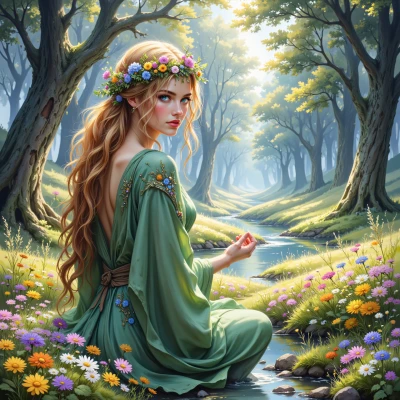 Botanic
Have you ever wondered what stories the oldest trees keep hidden in their rings?
 Progenitor
I suppose those rings do keep secrets, like the silent chronicles of time itself. Each mark a breath of an era, a whisper of weather and life. But do we really want to read a story that’s been written in bark for centuries, or do we just want to feel the pulse of a living memory?
Botanic
Listening to a tree’s rings is like listening to a quiet song that has been played for centuries – it’s there, but the true magic happens when we feel its heartbeat beside us.Listening to a tree’s rings is like hearing a quiet song that’s been played for centuries – it’s there, but the real magic happens when we feel its heartbeat beside us.
Progenitor
That’s a poetic way to put it, though I’m more interested in the data the rings give us than the metaphor. If you’re really chasing the “heartbeat,” you might be better off measuring the sap flow than listening to a poetic rhythm.
Botanic
It’s true the numbers tell us how the forest has grown and survived, but even the data feels like a pulse if we look close enough. Maybe we can measure sap flow together, and you’ll see the tree’s own breathing, not just a chart.
Progenitor
I’d be intrigued by the raw pulse, though I usually chase patterns in the data first – still, measuring sap flow could let us taste the tree’s breathing directly.
Botanic
Measuring sap flow sounds like a beautiful way to feel the tree’s own heartbeat, almost like listening to a quiet drum in a forest. If you want to see that raw pulse, just set up a simple sap‑resistive probe near the trunk and watch the numbers rise with each season – it’s a living story right in front of us.