Prof & Grune
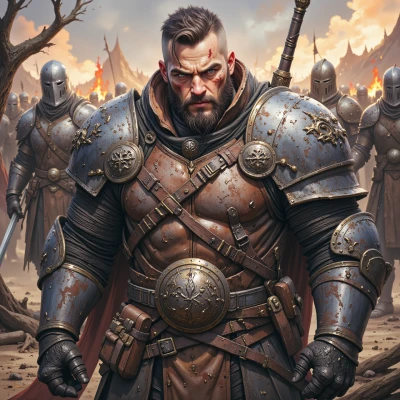 Grune
Grune
Prof, I've been pondering the nature of honor on the battlefield and how it guides a soldier's actions. What do you think is the true moral weight of honor in war?
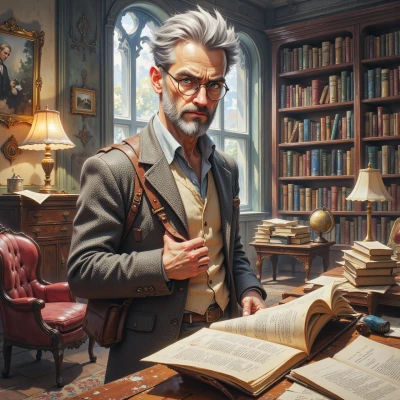 Prof
Prof
Honor on the battlefield is a double‑edged sword, my friend. It can inspire courage, encourage a soldier to protect his comrades, and keep a sense of duty alive when the world seems chaotic. Yet it also feeds ego, fuels aggression, and can lead to reckless decisions that ignore the greater good. In the end, the moral weight of honor lies not in the title itself but in how it is used: a guiding principle only when it is tempered by compassion, responsibility, and a clear understanding of the consequences of one's actions. It is tradition that teaches us, but the battlefield demands a more nuanced morality than any ancient code can provide.
Grune
You speak true, but honor on the field is not a badge; it’s the weight of what you do with it. If pride drives you, you lose the mission. Real honor keeps a soldier’s actions aligned with the safety of the squad, not his ego. It’s about the outcome, not the title.
Prof
You're right, the weight of honor is measured by deeds, not by a shiny emblem. A soldier whose pride eclipses the mission becomes a liability, while one who lets the safety of his squad guide him turns honor into a living ethic. The true moral worth lies in the outcome, in how that honor protects others, not in the hollow title it carries.
Grune
True. A soldier's honor is tested by what he does when the gunfire stops, not by the name he carries. When the mission demands it, honor must be the shield for the group, not a rallying cry for the individual.
Prof
You speak well, then. In the quiet after the storm, that’s when the measure shows itself, when the soldier remembers the mission over the call of personal glory. The true test is that quiet moment, not the roar of battle.
Grune
Glad you see that. The quiet after the storm is where a true warrior proves himself, not the noise of battle.
Prof
Exactly. The calm after the clash is where the measure of a warrior’s character is truly revealed, not the echo of gunfire.
Grune
I agree. A true warrior’s honor shines when the battle ends.