Mirael & ProTesto
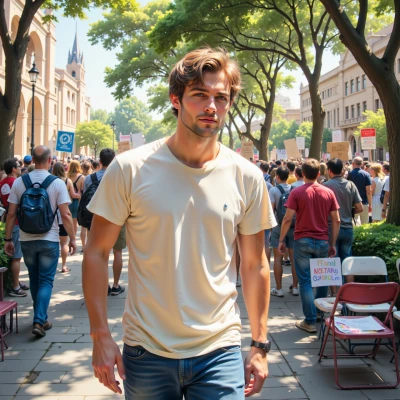 ProTesto
So, Mirael, if you could twist fate with a single spell, would you? I'm curious where you see the line between destiny and manipulation.
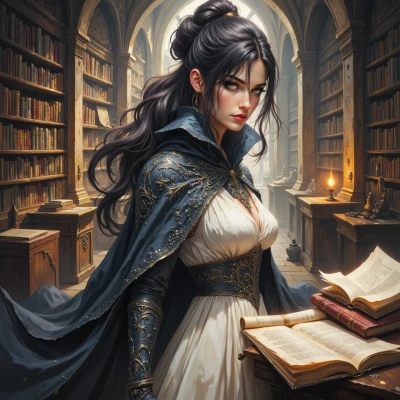 Mirael
I rarely wish to bend fate at all. The threads that bind the world are woven long before a single spell is cast, and the more I try to pull them, the more I pull at my own essence. Destiny is a path laid out in the stars, but manipulation is a hand that seeks to rewrite it for personal gain. I keep my hand on the old wards and let the winds carry the rest, trusting that the true power lies in knowing when to let go rather than when to hold.
ProTesto
I hear you, but tell me, if the stars are set, who writes the star charts? And yet you keep a hand on the wards—aren’t you secretly rewiring the same old pattern? Letting go sounds like surrender, but surrender itself is a choice, a manipulation of fate, no? So if the path is pre‑ordained, who decides when to step off the rails, and who writes that note of “just let go”? You claim destiny is fixed, yet you’re choosing to let it slip—doesn’t that make you the architect of your own paradox?
Mirael
The stars are written by many hands—by the ancient ones who first charted the sky, by those who watch it now, and by the quiet ones who listen for its whispers. My wards are merely reminders of what the old ones have taught, not a rewriting of the path. Surrender is a choice of the heart, not a forceful twist of destiny. When I let go, I am simply choosing to trust the flow rather than fight it; in that trust, I become the guardian of the path, not its author. The paradox lies not in my hands, but in the dance between knowing and knowing nothing.
ProTesto
You talk about being a guardian, but a guardian still has to decide who wanders. If the path is set, what does it mean to trust the flow instead of fighting it? Do you think that’s a passive stance or a deliberate surrender that nudges the stars a little? The real paradox is whether we’re just observers or the ones who write the next line, even when we say we’re not. That’s the question I keep asking.
Mirael
I watch the line from both sides, not to write it but to see where it breaks. Trusting the flow means I let the currents move the way they will, but I stay ready to step into them when the moment calls. It isn’t passive; it’s choosing to act when the path calls for it, not when I decide it should. We are both watchers and, at times, small hands that press on a stone to keep it from sliding. The line is fixed, yet the decision to touch it is ours.