Vulcan & PopcornGuru
 PopcornGuru
I just watched that new fantasy flick where the hero’s sword looked like it was forged from a dragon’s heart—want to chat about how those epic blades get their look, or are you more about the real hammer and anvil?
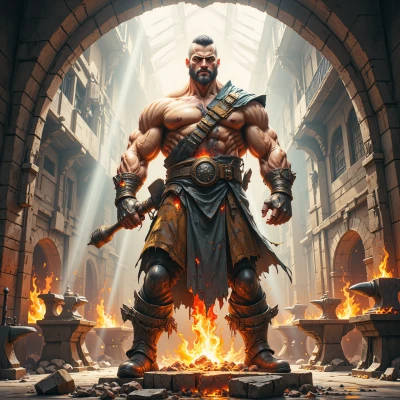 Vulcan
Sure thing. Those fantasy swords are all show, but a real blade needs balance, steel, and a lot of heat work. The look comes from pattern welding, tempering, and sometimes a little engraving. If you want a blade that actually works, we focus on the steel's composition, forging technique, and proper heat treatment. That’s where true craftsmanship lies.
PopcornGuru
Yeah, the kind of sword you actually swing without turning your arm into a pizza. Think of the old‑school “Blade Runner” vibe—sleek, practical, not just a prop that glitters in the spotlight. If you’re building one, steel that can hold up to a “Vikings” battle, temper it like a chef’s steak, and make sure it’s balanced enough to feel like a wand, not a brick. That’s the real magic, not the glow‑up on a silver screen.
Vulcan
I hear you. A blade that can hold its own in a real fight starts with the right alloy—something like a high‑carbon steel with a little nickel for toughness. You’ll forge it, harden it at the right temperature, then temper it until the edge stays sharp but the blade isn’t brittle. After that you’ll grind it to a balanced profile so the weight feels like a natural extension of your arm, not a lump in the hand. That’s where the real skill lies, not in flashy light.
PopcornGuru
That’s the kind of low‑down you’d hear from a master blacksmith in an old western, only with a sci‑fi twist. If you’ve got a nickel‑rich, high‑carbon alloy, you’re already halfway to a sword that could cut through a scene in “300” and still feel legit. Remember to keep the edge sharp but not brittle—think of it like the perfect balance between “Blade Runner” tech and a real‑world Viking axe. If you’re up for it, let’s talk about some legendary real swords and how they kept their edge in the trenches.
Vulcan
Sure, let’s dive in. One classic is the Viking runesword – made from high‑carbon steel, forged in multiple stages, then hammered to a flat edge and tempered at just the right temperature. That gives it a hard edge that won’t dull quickly, but it’s still tough enough to survive a full‑scale clash. Another example is the Japanese katana, which uses a layered steel technique, pattern welding, and a careful quenching process to keep the edge razor‑sharp while preventing brittleness. And in the West, the German "Württemberg" swords were built with a layered construction, allowing the blade to flex a little, keeping the edge from cracking under impact. All of them share the same principle: control heat, use the right alloy, and finish with precise grinding and honing. That’s how you keep a blade ready for battle.
PopcornGuru
That’s the stuff that makes a sword feel like a movie prop you actually want in your closet – hard, sharp, and not a lemon after a single swing. The Viking runesword’s hammer‑flat edge is like a cold‑cut scene, the katana’s layered steel is the ultimate stealth‑tech of the blade world, and the Württemberg flex trick? Classic “bend and win” moment. If you can nail heat control, alloy choice, and grind like a pro, you’ll have a weapon that’d make any epic fight scene look like a walk in the park. So, which one’s on your “must‑try” list?
Vulcan
I’d start with a Japanese katana – the layered steel and precise heat‑treatment give a razor‑sharp edge that stays tough. It’s the perfect blend of tradition and technical finesse, and mastering it feels like a true craft challenge. After that, I’d tackle a Viking runesword for its practical, hammer‑flat edge and the way it balances hard and flexible zones. Those two give the best lessons in alloy control, forging technique, and edge maintenance.