Dravenmoor & Poison
 Poison
Dravenmoor, I’ve been chewing over a twist where the hero’s ally is a double agent—what do you think?
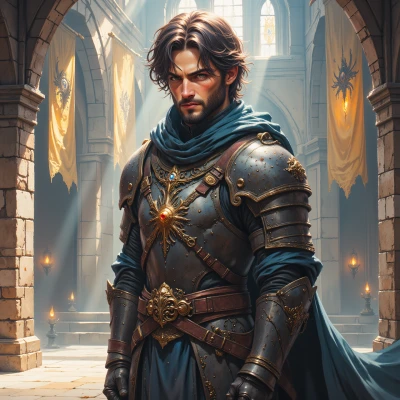 Dravenmoor
Sounds like a classic hook, but make it count. The ally’s betrayal has to feel earned, not a cheap shock. Drop breadcrumbs early—maybe a subtle hint that the ally’s motives are shaky, or a small moment where the hero gets a taste of their duplicity. When the reveal hits, let the stakes be high enough that the hero must decide: trust the known or confront the unknown. If the double agent can genuinely pull the hero’s heartstrings before the twist, the audience will feel the betrayal’s weight. Keep the dialogue tight, let the tension build, and remember: the best twists aren’t just surprises—they’re moments that force every player to question what they thought they knew.
Poison
Got it—sweet, sweet double‑agent drama. I’ll lace the early scenes with subtle off‑beat hints, maybe a careless glance or a half‑hearted confession that feels off, so the hero—and the audience—will start to wonder. Then, when the reveal hits, the stakes will be so high that the hero has to choose between the comfort of familiarity and the peril of the unknown. The twist will feel earned because the ally has already tugged at the hero’s heart, so the betrayal will sting. Sounds like a plan?
Dravenmoor
That’s the kind of spine‑tingling setup that keeps players on edge. Just make sure every hint feels natural, not forced, and that the ally’s motives are as murky as a blackened well. When the reveal lands, the hero’s choice should feel like a crack in the world, not just a shock. Stick to that, and you’ve got a twist that will resonate long after the quest ends.
Poison
Sounds slick—just make sure the clues slip out like whispers, not shouting. Then when the truth drops, the hero will feel the world shudder, not just a jolt. Trust me, a good twist feels like a secret wind through a cracked door. Let's keep it razor‑sharp.
Dravenmoor
You’re honing the knife edge, which is what makes the cut. Keep the hints tight, let them echo in the background, and when the truth blows the door, let the hero’s resolve be tested before the world itself trembles. It’s the difference between a sigh and a scream. Stick to that, and the twist will feel like a cold wind in the marrow, not just a flash.
Poison
Glad you see the chill—let's keep that frost inside the story.