Hammer & Pointer
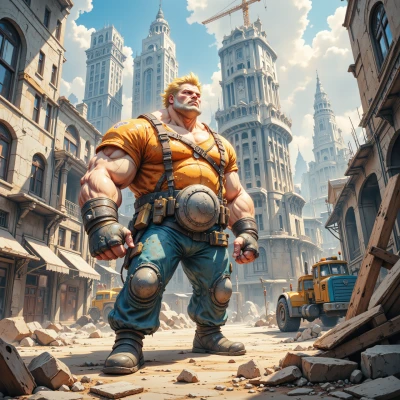 Hammer
Hey, I was thinking about how we can keep a real‑time system fast but still super reliable. How do you usually tackle that balance?
 Pointer
First, isolate the hot path – keep the code minimal, avoid any blocking calls, and use async where possible. Second, add redundancy at the infrastructure level: replicas, read‑writes split, and a fast failover. Third, instrument everything – logs, metrics, and alerts – so you know when a component starts to degrade and can roll back or scale before the error propagates. Finally, run continuous performance tests in a staging environment that mirrors production; that way you can catch bottlenecks before they hit real users. Keep the system lean, keep the checks tight, and you get speed without sacrificing reliability.
Hammer
Good plan. Keep it tight and don't forget to test edge cases; a system can look perfect until it faces real traffic.
Pointer
Exactly, edge cases are the silent killers. I always run fuzz tests and spike scenarios after every code change. If it survives a million random inputs and a sudden traffic burst, it probably won’t surprise you later. Keep the tests tight and the confidence high.
Hammer
Sounds solid. Just remember: the hard part is keeping that momentum after the rush of the sprint. Stay on top of it.
Pointer
You’re right, keeping the sprint burn‑rate high after the sprint rush is the real challenge. I’ll lock the CI pipeline to run the full test suite on every push, set up automated code reviews, and keep the metrics dashboard updated in real time. If anyone slows down, the numbers will speak louder than any motivation.
Hammer
That’s the kind of discipline that keeps a team moving. Just make sure the pipeline runs fast enough so it doesn’t become a bottleneck itself. Keep it lean, keep it reliable.
Pointer
Absolutely – a pipeline should run in seconds, not minutes; otherwise you just add more latency to the cycle. Keep it lean by only running essential tests on each commit, and let heavier integration runs happen during off‑peak hours or with an incremental strategy so the main flow stays snappy. That way momentum never stalls.
Hammer
That’s the right move. Keep the core checks tight and let the heavier stuff run in the background – that way the team can push forward without feeling held back.