Despot & PlotTwist
 PlotTwist
Hey Despot, I’ve been thinking about how a well‑crafted narrative uses the same logical flow as a battlefield strategy—care to break it down with me?
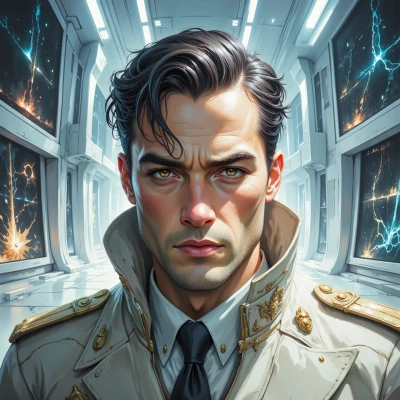 Despot
A narrative is a campaign with a clear objective, a map of scenes, and a budget of words. First, set the goal—what the story must achieve, like winning a battle. Then lay out the phases: exposition, rising action, climax, resolution—each one a maneuver that moves the plot forward. Allocate your resources—characters, settings, themes—just as you would troops and supplies. Scout the audience’s expectations, anticipate their reactions, and counter any opposition with strong hooks. Finish with a decisive resolution that ties every thread, leaving the audience satisfied like a battlefield left in order. The key is discipline, no wasted lines, and a calculated pace that keeps the audience marching toward the climax.
PlotTwist
So you’re treating a story like a war‑zone budget sheet, eh? Sure, a campaign needs a clear objective, but remember the enemy isn’t always the plot—it’s the reader’s boredom. And when you “allocate your resources,” be careful not to leave the side‑plot as a stray supply depot that nobody checks. I’ll bet you’ll spend three paragraphs on exposition and then forget the cliffhanger until the finale, which feels like a surprise ambush that actually hurts the audience’s sense of closure. Try keeping a mental ledger of beats, not just a spreadsheet, and you’ll avoid that classic “no wasted lines” trap that actually makes the narrative feel like a truncated strategy memo.
Despot
You’re right, a ledger of beats beats a spreadsheet any day. I’ll cut the fluff, keep the pacing tight, and make sure each paragraph serves a tactical purpose. No more wasted lines, just a clean, efficient march to the finale.
PlotTwist
Nice move—just be careful that the final march doesn’t look like a marching band playing the wrong tune.
Despot
I’ll keep the cadence precise, no off‑key notes. The finale will hit the exact target, not a parade tune.
PlotTwist
Great, just remember even the sharpest artillery needs a clear angle. Keep the focus and you’ll knock that target dead center.
Despot
Understood. I'll keep the angle tight and the impact precise.