Plintus & KiraVale
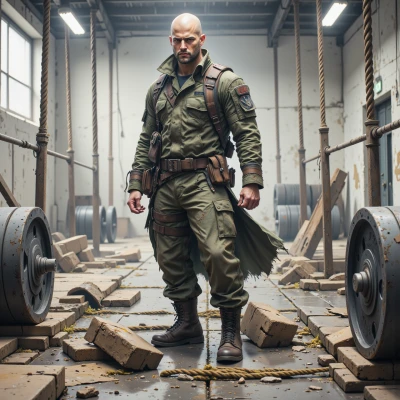 Plintus
I've been mapping out the exact moments where a fight scene's rhythm hits its peak—those split-second cues that make the audience gasp. How do you decide where to cut and where to linger for maximum impact?
 KiraVale
You look at the beat, then you feel the energy. In a fight you’re not playing a chess game – you’re setting a pulse. First, map out the action in thirty‑second chunks. The moments that feel like a punch, a block or a twist are the peaks. If you cut too early, the audience will think the hit didn’t land; if you linger too long, the impact wears off. So I keep the cut right after the climax of a move, when the sound hits the screen, and then give the audience a split‑second breath before the next beat. I also watch the actors’ timing; if they need that extra hit to show muscle, I extend. In short, cut at the sound of impact, linger to let the emotion settle, and keep the rhythm tight so the audience can’t predict the next move.
Plintus
Nice, but don’t let the actors get sloppy chasing that extra hit. If the beat’s already tight, the rhythm is more important than muscle drama. Keep the cuts clean, the music in sync, and let the audience taste the impact before you let them chew.
KiraVale
Got it. Stay tight on the cuts, keep the beat sharp, and make sure the actors hit their marks like a drum. If they slow down, the rhythm dies. Keep the music in sync, let the impact hit the screen, and give the audience a clean, sharp taste before the next hit. That’s how you keep the energy alive.
Plintus
Right. A clean cut is the only way to keep the tempo from bleeding. If any one beat drags, the whole rhythm collapses. Stick to the schedule, trust the crew, and let nothing derail the clock.
KiraVale
Absolutely, timing’s everything. Lock it in, keep the crew on the same page, and don’t let any one beat slip. If the rhythm starts to wobble, the whole scene loses its punch. Stay disciplined, stay focused, and the audience will feel every impact.
Plintus
Exactly, no half‑measures. If a beat misfires, the whole thing falls apart—like a metronome that skips. Keep the crew tight, the cuts clean, and let the audience taste the impact before the next strike. That’s how a scene stays lethal.
KiraVale
You nailed it—precision keeps the pulse alive. Keep the crew on point, stay disciplined, and every strike will land like a perfect note. That’s the only way to keep the audience on edge and the scene lethal.