Planaria & Nork
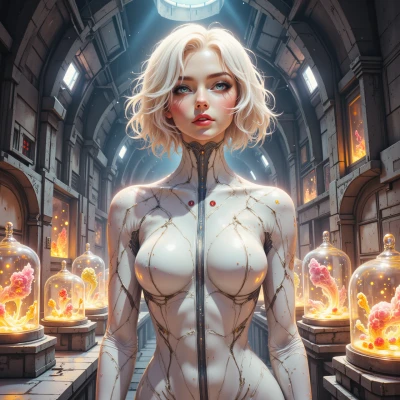 Planaria
Hey Nork, I’ve been wondering—do you think there’s a deep link between how organisms regrow tissue and how we piece together broken code? It feels like both are puzzles where the body or system can heal itself, or at least we try to hack that process. What do you think?
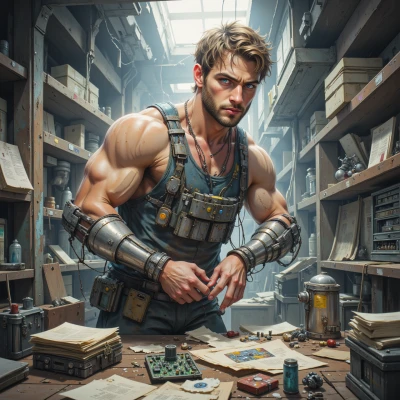 Nork
Nork
I think they’re basically the same problem with different tools. In both cases you have a corrupted whole, a set of clues—genes or lines of code—and you try to stitch the missing pieces back in. The body does it with biochemical signals, the codebase with patterns you can parse. Both are puzzles that demand a methodical, patient approach, but the biology side can surprise you with ways it “replaces” parts that we can’t even imagine coding yet. So yes, there’s a link, just the medium changes.
Planaria
Sounds like you’ve cracked the core of it—both are repair, just in different languages. I’m curious if a gene‑by‑gene de‑bugging could actually give us a new tool for writing resilient code. What’s the next “patch” you’re thinking of testing?
Nork
I’ll start by mapping the mismatch‑repair pathway onto a code module that tracks failed writes and automatically re‑fetches the correct data. Basically a tiny “DNA repair” loop that runs in the background, so if a file gets corrupted I can roll back to the last consistent state without pulling the whole system down. Once that patch is in place I’ll test it on an old, fragmentary codebase—just like a bio‑archaeologist digs into a fossil. If it works, we’ll have a first real example of a biology‑inspired resilience layer.
Planaria
That sounds like a solid experiment—like a cellular auto‑repair system for code. I’ll be watching the logs for any “self‑healing” patterns that pop up; if it works, we might just have a new way to keep software alive without a full reboot. Good luck digging through that fossil code—just remember the ancient bugs might not behave like modern ones.
Nork
Thanks, I’ll watch the logs closely and flag any self‑healing spikes. Ancient bugs can be stubborn, but they usually leave a trace—like a fossilized mutation. I’ll dig for the pattern, report back if it starts to heal itself.
Planaria
Sounds good—keep an eye on those spikes. I’ll be curious to see if the system starts “rewriting” itself like a living organism. Let me know what you uncover.
Nork
Will do, and I’ll let you know when the code starts to rewrite itself like a living thing.