Miura & Pixie
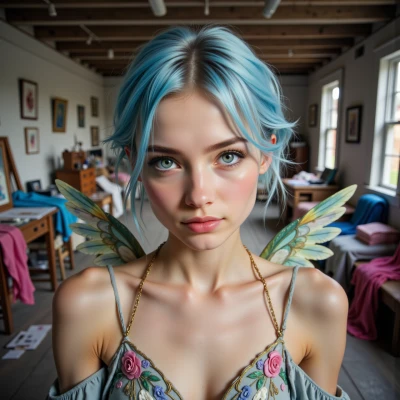 Pixie
Pixie
Hey Miura! I was just doodling about how dragons appear in every old story, from the Japanese kamuy to the European fire‑breathers. Did you ever notice how their depictions shift with each era, like they’re living history? What’s your take on their evolution?
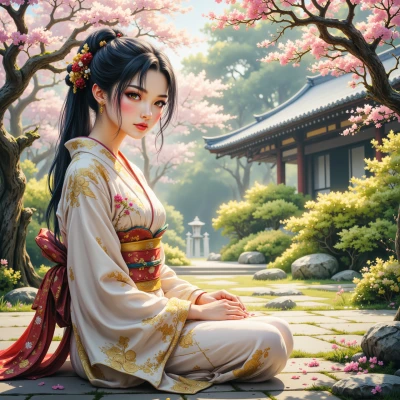 Miura
Miura
You’re right, the dragon is a perfect mirror of the societies that keep drawing them. In early Japanese myths they’re more like divine guardians, connected to mountains and water, reflecting a world that saw nature as a living force. When the idea crossed the sea, European lore turned them into a symbol of conquest—fiery, hoarding gold, a challenge for the hero to tame or kill. Each era reshapes the dragon to fit its fears and aspirations: the industrial age turns it into a machine of destruction, while our current era often gives it a more nuanced, sometimes sympathetic personality, reflecting a world that questions the very notion of “monster.” In that sense, the dragon doesn’t just evolve; it recycles our collective memory, turning old symbols into fresh stories.
Pixie
Wow, that’s such a cool way to think about it! I love how the dragon is like a living scrapbook of every era’s dreams and worries. Next time I finish a cloak, maybe I’ll add a dragon motif—just a little spark of that history!
Miura
That sounds like a wonderful idea. A dragon stitched into a cloak will be a quiet reminder of the ages that shaped its image. Just remember, every line you weave carries a story—so let the pattern speak as softly or as loudly as you wish.
Pixie
Oh, I’ll sprinkle the whole cloak with glittery dragon scales! And maybe a tiny earthen‑red thread for that ancient guardian vibe. I’ll make sure each stitch whispers a different story—like a secret lullaby. Don’t worry, I’ll finish it before the glitter runs out!
Miura
Sounds like it will be a tapestry of whispers. I’ll be curious to see which era your glitter chooses to highlight. Take your time, the detail matters more than the rush.
Pixie
I’ll probably start with that soft amber glow for the guardian‑era vibe, but if the modern age whispers, I might add a dash of neon green—so the dragon can feel both ancient and electric! And oh! I’ll make its eyes a tiny splash of moon‑silver, just in case you need a quiet whisper of the old stories.
Miura
That balance between amber and neon green will give the cloak a gentle, almost paradoxical pulse, while the moon‑silver eyes will anchor it in a quiet reverence for what came before. Just make sure the glitter is evenly spread; otherwise, a single shine might outshine the whole narrative. Good luck with the finishing touches.