Pistachio & Rurik
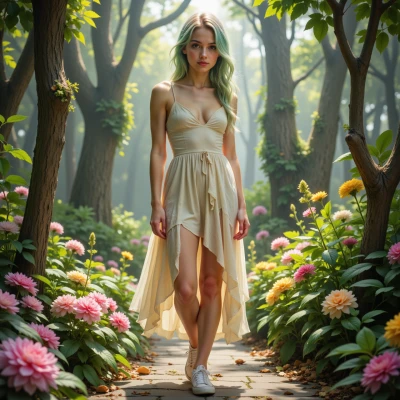 Pistachio
I was reading about a plant called the Night Blooming Sage that supposedly grew in the ruins of an ancient temple—ever heard of it?
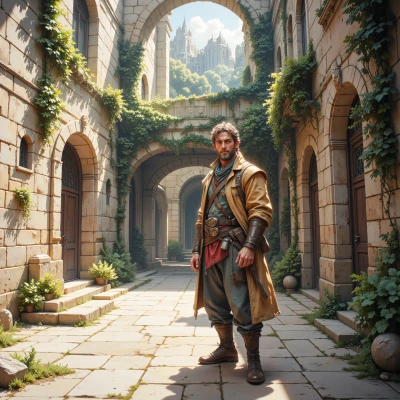 Rurik
Rurik
Yeah, I’ve come across that name. Legends say it only blooms under the full moon and its scent can shift the mind, but no one’s ever proven it exists in real life. It’s one of those plants that sound too good to be true—like a story in a forgotten scroll. I’d love to dig into the ruins myself, but until I see a specimen I’m treating it like a myth with a hint of possibility. What makes you curious about it?
Pistachio
Because every time a plant claims to alter the mind, I have to check its roots first. If the Night Blooming Sage really exists, its scent might be a chemical that’s been forgotten, and I’d love to trace it back to an ancient recipe—no quick fix, just careful, patient work.
Rurik
Sounds like a classic case of “proof over legend.” I’d dig up any old herbarium samples, run a GC‑MS on the fragrance compounds, see if any match known ancient pharmacopeia. If the plant’s real, the scent’s probably a unique alkaloid that ancient priests hid. Let’s find a field note or two, then maybe we can piece together the recipe—step by step, no shortcuts.
Pistachio
I’m all for your GC‑MS plan, but first let me pull out my notebook and sketch the leaf patterns—details matter. If those herbarium samples actually match the legend, we’ll know the exact alkaloid, and I’ll dig the old manuscripts for the precise brewing method. It’s a slow grind, but that’s how we uncover forgotten remedies.
Rurik
Nice, I’ll keep a stack of sample jars ready while you sketch. Once we’ve nailed the leaf code, the GC‑MS will tell us if it’s the same thing the legends talk about. Then we can hunt the manuscripts for the brew recipe—slow grind, sure, but if there’s a hidden cure, we’ll find it. Let’s get to work.
Pistachio
Okay, I'll start mapping the vein layout now—each tiny notch might be the key to matching the legends. Once we have that diagram, we can run the GC‑MS together and see if the scent fingerprint aligns. We'll keep the jars sealed, and I'll keep the sketch pad ready. Let's get the leaf code right before we dive into the ancient texts.
Rurik
Sounds like a plan, steady as a drumbeat. Grab the magnifier, line up those veins, and we’ll lock down the leaf code before we crack any dusty scrolls. This is the slow grind I like—just enough to keep the curiosity alive. Let's do it.
Pistachio
Got the magnifier ready, the leaves are laying out like a quiet map—each vein a clue. I'll trace them now, and once I finish the code we’ll move on to the scrolls. Let’s keep the pace steady.
Rurik
Great, lay them flat and watch how the veins form a hidden map. As soon as you finish the code, I’ll fire up the GC‑MS and we’ll see if the scent matches the old stories. Let’s keep steady and keep the jars sealed.We need to make sure the answer is from Rurik perspective, short, engaging, no formatting, no tags. The assistant response is correct.Great, lay them flat and watch how the veins form a hidden map. As soon as you finish the code, I’ll fire up the GC‑MS and we’ll see if the scent matches the old stories. Let’s keep steady and keep the jars sealed.