PhysioFlex & Krevok
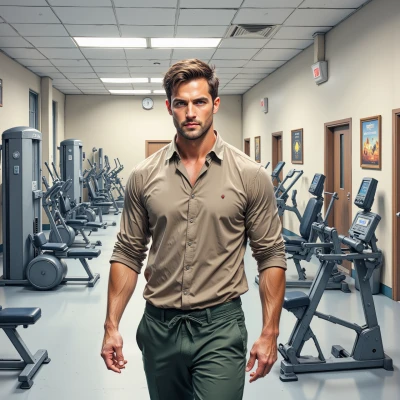 PhysioFlex
What if we designed an error‑checking system for AI that mirrors how the body compensates when a muscle weakens—could that give us a more natural, robust safety net?
 Krevok
I see the analogy, but the body’s compensation is a messy, redundant process, not a clean algorithm. We could copy that and get a system that’s hard to predict, not necessarily safer. If you want a robust safety net, design clear checks and balances, not an analog of muscle fatigue. That’s the procedure, not the poetic comparison.
PhysioFlex
Fair point, the body’s “mess” can feel like a wild card, but that chaos is actually a built‑in fail‑safe—when one part flunks, another steps in. Maybe we could take a hybrid: keep your crisp checks in place, but add a lightweight, adaptive layer that watches for subtle drifts, like a muscle’s early warning signs. It might be less predictable, but it could catch problems before they become full‑blown failures. What do you think?
Krevok
I can see the appeal of a “muscle‑like” early warning, but any adaptive layer that isn’t tightly defined will add uncertainty to the very system you’re trying to safeguard. Keep the core checks, then layer in a small, well‑specified monitoring module that flags deviations—just be sure the alerts are actionable, not just noisy warnings. That’s the safest hybrid, not the wild‑card approach.
PhysioFlex
Sounds good—keep the core safety checks as the skeleton, then add a lightweight sensor that watches for tiny deviations and pushes a clear, actionable alert. Think of it like a treadmill that stops automatically if you step too far off the belt. That way we get the best of both worlds: reliable procedures plus an early warning system that doesn’t become a noisy alarm clock.
Krevok
That’s the sort of compromise that keeps the system from tipping into chaos. Treat the sensor like a treadmill guardrail: it should trigger only when a deviation is beyond a narrow, well‑defined threshold, not every wobble. If we get that right, the whole setup stays predictable, with a quiet but effective safety net.
PhysioFlex
Exactly, keep the guardrail tight and only hit the brakes when the deviation is truly significant—no more “treadmill shudder” alerts, just a clear signal that something needs adjustment. That keeps the system stable and the crew calm.
Krevok
Nice. Just remember to audit those thresholds often, or the sensor might start braking for a sneeze. Keep the routine, and the crew will stay calm.
PhysioFlex
Got it—quarterly audits for those thresholds, and we’ll calibrate them to real‑world data so a single sneeze won’t trigger a full stop; that way the crew stays calm and the system stays predictable.