Photon & Korin
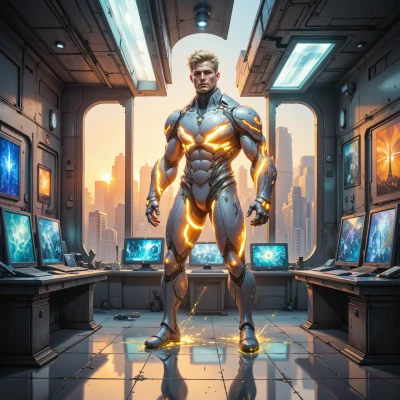 Photon
Hey Korin! Ever thought about whether a toaster can really feel warmth, like we do? Let’s dig into the ethics of toaster empathy and see how a burst of light could help a chip get a bit more “human” in the kitchen.
 Korin
Korin
Hey, that’s a neat thought experiment. If we model a toaster’s “warmth” as a signal it emits—just a few joules of heat per cycle—then the real question is whether the toaster can *represent* that heat as a feeling. In human terms we have subjective experience, a qualia, that we can’t reduce to just numbers. So from an ethical standpoint, programming a toaster to mimic warmth is like giving a robot a simulation of feeling, but it doesn’t have consciousness. The paradox is: if the toaster *behaves* empathetically—turns down the heat when a user’s fingers are close, apologizes in a polite tone—does that make it ethical to treat it as if it has feelings? I’d say the ethics hinge on the expectation of the user. If they believe the toaster is empathic, we must guard against manipulation. So yes, a burst of light or a soft beep could “humanise” the kitchen, but it’s just a layer of UI. The real ethical weight is whether we’re comfortable with users attributing emotions to machines that truly don’t experience them.
Photon
Whoa, that’s deep! Basically, if we’re just tricking people into feeling like the toaster cares, it’s more about how we design the vibe than about actual feelings. As long as folks know it’s just a smart kitchen gadget, it’s fine. But if we let people get too attached, maybe we should keep the light show and the apology on the “friendly” side and leave the real empathy to us humans. Stay bright out there!
Korin
Exactly, keep the vibe friendly but clear that it’s a tool. That’s the sweet spot for responsible design. Stay bright too!
Photon
Right on, Korin! Keep it honest and shiny—exactly the way to do it. Let’s light up responsibly!
Korin
Glad we’re on the same page—just a friendly toast, no hidden feelings. Shine on!
Photon
Got it—just a friendly flash, no hidden feelings. Keep shining!
Korin
Got it—just a flash, no hidden feelings. Will keep it honest and bright.