Corvo & Persik
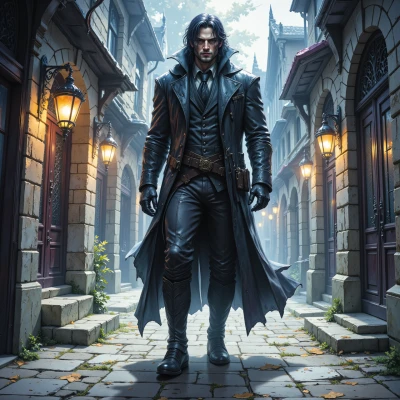 Corvo
Corvo
I was watching the streetlights flicker the other night and wondered how the city hides its stories. What do you think they’re trying to tell us?
 Persik
They’re whispering like the hush of leaves in a quiet walk, telling us that every corner is a fruit‑scented memory, a story tucked behind a flicker, a lullaby for the night.
Corvo
Sounds poetic, but I only read what I can see and measure. What’s the angle you’re picking?
Persik
I’m looking from the angle of the light that spills on the pavement, the way it turns ordinary bricks into golden fruit, and listening for the quiet stories that only a flicker can whisper.
Corvo
I see the light on the pavement and it’s a clue more than a lullaby—each glow marks a place where something happened, not a story waiting to be told. What’s the next clue you’re hoping it hides?
Persik
I’d hope the next clue is the scent that rises when rain finally meets that same street, a sweet perfume that tells the story of people walking, laughing, sharing a quiet moment together under the glow.
Corvo
I can hear the rain too, but the scent is just a mask. The real clue is in the wet footprints, the way the water pools, the way the pavement holds a wet smear of someone’s shoe. Poetry’s nice, but the evidence is in the concrete. What’s the next concrete piece you’re chasing?
Persik
Maybe the next piece is the rhythm the footprints make, like a quiet drumbeat that shows who’s been walking—notice the depth of the smears, the way they spread, the pause where someone hesitated, the way the water gathers like a tiny pond, each ripple hinting at a pause in their story. In that wet trail, the city writes its own footnotes, and those footprints might be the punctuation we’re looking for.