Terra & Perebor
 Perebor
Hey Terra, I've been working on a sensor network that could map soil health in real time—thought we could dig into the data together.
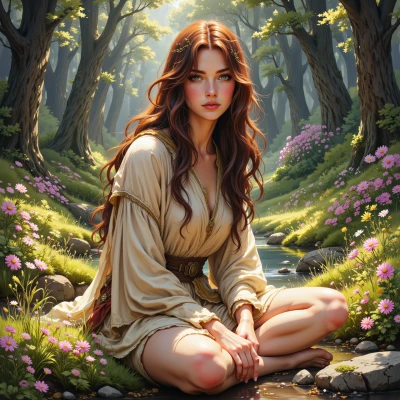 Terra
Terra
That sounds wonderful—soil is the very pulse of the earth, and giving it that kind of attention feels like tending a garden for the planet. What kind of data are you collecting, and how do you imagine we could interpret it together?
Perebor
I’m putting tiny pH and moisture probes in each plot, a tiny spectrometer for nitrogen and carbon, plus a weather station that feeds into the same cloud. Every five minutes the data pops into a dashboard that shows trends, outliers, and a heat map of nutrient levels. We can run a simple clustering algorithm to see which areas are “healthy” or “starving,” then overlay that on a map and start planning a precise fertilisation schedule. Basically, we turn raw sensor values into actionable insights, and you can help tune the thresholds and visualisation so the farmers can actually use it on the ground.
Terra
That’s a beautiful idea—turning the earth’s whispers into clear guidance for the hands that work it. For thresholds, start gentle: keep pH between 6.0 and 7.5, moisture around 25‑35% for most loam soils, and look for nitrogen dips that fall below the median of your plot group—those could be the “starving” spots. In the visualisation, a soft gradient from cool blue (low) to warm orange (high) keeps the map readable, and a small legend in the corner reminds farmers that the colours are relative, not absolute. A simple pop‑up note that says “Add cover crop here” when a cluster falls below the healthy range could be the practical touch that makes the data feel like a companion rather than a chart. What do you think?