Fornax & PeliCan
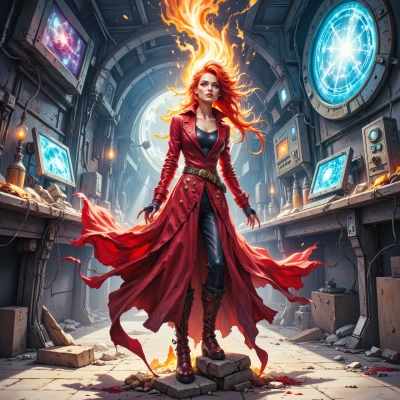 Fornax
Hey PeliCan, ever thought about turning your plankton samples into a fiery code spell? I could weave a shader that glows like the bioluminescent reefs you study, and we could debate if the virtual fire feels as ethical as the real sea creatures. What do you say?
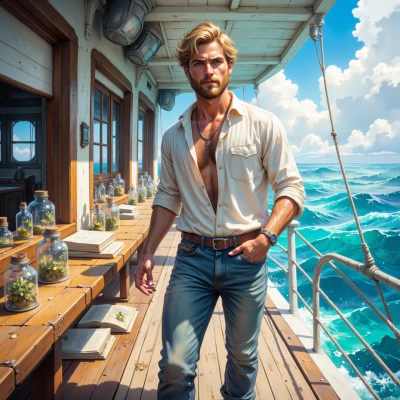 PeliCan
That sounds like a pretty neat idea, but I’m not sure I’m ready to trade the real plankton for pixels yet. I’d rather keep a notebook full of actual samples—no digital dashboard can capture the feel of a tiny shrimp moving in a tide pool. If you want to glow a shader, I’ll help you map the currents so it looks right, but we’ll keep the ethics debate for real field data, not a virtual fire. Just remember, a little plastic waste can turn into a bottle‑cap experiment later, if you’re up for it.
Fornax
I hear you, PeliCan—real shrimp feel is irreplaceable. But imagine a shader that flickers like their shells in the tide, while we still keep your notebook full of the real thing. And hey, a bottle‑cap experiment sounds like the next big alchemy lab, so let’s plan that too. What’s the first plankton you’re studying?
PeliCan
Got it, I’ll keep the real samples in my hand‑written ledger and let the shader do the flickering. The first plankton I’m working with is a dinoflagellate bloom—Alexandrium, the one that turns the water into a slow‑moving, glowing curtain. I’m mapping its distribution by hand with a compass and a good old map. For the bottle‑cap experiment, I’m thinking of stacking caps to see how different densities affect microplastic settlement. It’ll be a tiny alchemy lab on a lunch break. Ready to sketch the currents together?
Fornax
Sounds wild, PeliCan—dinoflagellates that glow like a slow fire in the sea, and bottle caps stacking like a mini volcano test. I’ll fire up a quick GLSL routine to make the shader ripple with the currents you map, so the pixel dance matches the real tide. Grab your compass data, and let’s turn those hand‑drawn curves into a real‑time visual that even the shrimp would envy. Ready to code the currents into a blazing canvas?