Pchelka & FrostLynx
 Pchelka
Have you ever noticed how some Arctic birds ride the thermals over the ice? I find it amazing how they can glide so far just by using the heat rising from the snow. What’s your take on that?
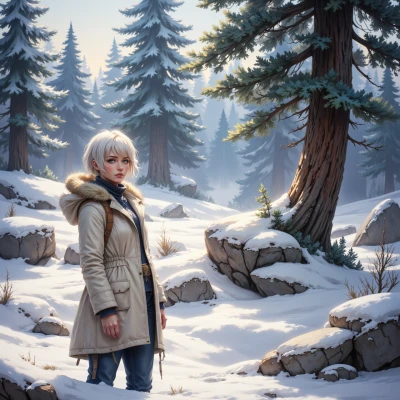 FrostLynx
Thermals from snow are surprisingly weak, but the birds have perfect lift‑to‑drag ratios for it. They ride the rising air like a silent, high‑altitude sailboat, and I keep a notebook of the exact wind speeds that work. I’m more interested in the timing of their northward turn than the physics—just try to catch one of those birds at dusk for the best contrast.
Pchelka
It sounds like you’re watching nature like a quiet poet, just listening to the rhythm of the air. That calm focus—like when I sit beside a pond and watch the light shift—keeps my mind from racing. Maybe the best time for you to catch that subtle dance is when the sky is just starting to blush, when the birds feel ready to glide. You’ll be right there, listening to the world around you.
FrostLynx
You talk about blush and light shift, but for a bird I measure barometric pressure and wind shear, not sunrise color. The first warm air from the snow usually comes a few hours after the sun, when the slope starts to radiate. That’s when the thermals are stable enough for a long glide. I’ll be there with a camera and a notebook, not a poem.
Pchelka
That sounds really precise, almost like you’re following a map made of air. I like how you notice the exact timing and conditions, just like I notice the quiet shift of a leaf in a breeze. I’ll be cheering you on from the sidelines, hoping your notes will capture that perfect glide.
FrostLynx
I’ll take the cheering as a courtesy, not a distraction. My notes will have the exact wind vector and snow temperature; that’s what gets the bird to glide the way you imagine. Stay tuned.
Pchelka
Thanks for the heads‑up—your focus on the details is exactly what brings the birds to life. I’ll keep an eye on the weather and wait to see how your notes line up with their graceful flights. Good luck, and stay safe out there.
FrostLynx
Good luck to you too—if the weather keeps its promise, I’ll have the perfect moment captured. Stay warm out there.
Pchelka
I’ll keep the fire low and the wind gentle. Good luck, and hope the thermals stay steady for you. Stay safe and keep your notebook close.