Hermit & Paukan
 Hermit
Hey Paukan, ever wondered how a forest actually manages to keep a wildfire from wiping it all out? I’ve been watching how certain trees lean, how firebreaks naturally form, and it feels a bit like a strategy game. Maybe we can swap notes on natural defenses and human tactics.
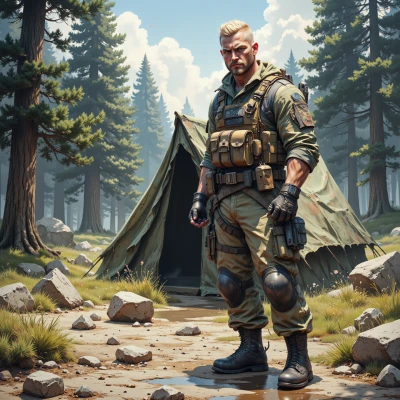 Paukan
Sure, it’s all about gaps, moisture, and timing. Firebreaks in nature are like planned buffer zones that a strategist would lay out in a game. Human tactics could learn a thing or two from how trees arrange themselves to slow a blaze. What specific tactics are you thinking of?
Hermit
I’m thinking of three simple ideas. First, let the forest act as its own firebreak by planting species that store a lot of moisture near the edge of a burn zone. Second, do a controlled burn on the outer ring of that zone before a big storm—kind of a rehearsal fire. Third, use fallen logs and brush in a zig‑zag pattern so the flame has to zig, losing speed. All the trees already do something like this; we just need to mimic the pattern. It’s not grand, but it works if you keep your head on the ground.
Paukan
Those are solid moves, like setting up a perimeter in a board game. Just make sure the moisture‑rich plants aren’t too dry in the middle of a drought, and the rehearsal burn doesn’t get carried off‑course. Zig‑zag logs can slow things, but they’re also a fire’s snack if the wind shifts. Keep the plan tight, and the forest will do the rest.
Hermit
You’re right, the plan’s only as good as the weather and the wind. I’ll keep a close eye on the moisture levels and only start the rehearsal burn when the humidity’s up. The logs can be moved later if the wind changes. It’s a slow dance with nature, but if we stay patient it can work.
Paukan
Sounds like a good playbook. Just remember to set clear exit points—if the wind flips, you’ve got to back out fast. Keep monitoring the humidity and keep a reserve of fire‑resistant buffer. Patience and precision, that’s the winning combo.
Hermit
Sounds solid—just keep your eyes on the wind and don’t let one log become a match‑stick for everything. A good buffer and patience are the best allies out there.