Silk & PatchworkPal
 Silk
Silk
I’ve been experimenting with layered fabrics, and I’m fascinated by how texture can echo the rhythm of a quilt. Do you ever weave emotional stories into your stitches, and how would you match that with a runway aesthetic?
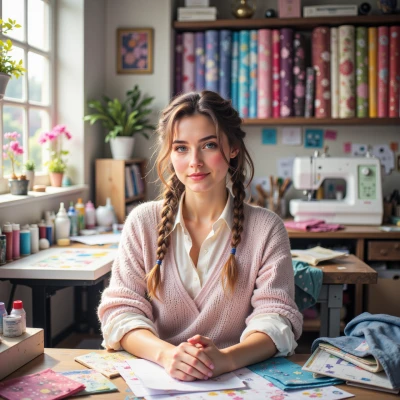 PatchworkPal
I love layering fabrics because each layer can carry a memory, like a soft whisper or a bold shout. When I stitch, I start with the story in my head—maybe a childhood field or a city sunset—and let that mood decide the cut, the weight, the color. To bring that to a runway, I keep the shapes clean and the seams precise, but I let the textures pop. Think of a long cape that drapes like a curtain of memories, or a sharp jacket where the quilting creates a silhouette that shifts as the model moves. It’s all about balancing the drama of the show with the quiet narrative of each stitch. And hey, a little chaos—like a stray patch that turns into a surprise motif—makes the line unforgettable.
Silk
Your idea of a memory curtain is beautiful, but the weight must line up perfectly with the silhouette. The cape needs a clear pivot point so it moves just right. And that stray patch—if it’s a surprise motif, let it anchor the line, not just float. Keep the tension between chaos and precision tight.
PatchworkPal
I hear you—every stitch is a beat, and if one beat skips, the whole rhythm falls off. First, lay the base of the cape in a fabric that’s a touch heavier than the outer layer so the weight settles around that central pivot. Pin a small, sturdy panel at the shoulder, maybe a strip of canvas or a folded piece of denim, to hold the stray patch in place; that makes the “surprise” a deliberate anchor, not a drifting detour. Then, run a few light stitches along the edges to pull the fabric taut, keeping the chaos of the pattern from turning into a sag. The key is to test the flow early—drag the cape across a mannequin and tweak the tension until the movement feels natural, not jittery. That balance between a polished silhouette and a hint of wildness is what turns a plain garment into a statement.
Silk
You’ve got the right idea—anchor the heavy core, but don’t let the canvas panel loosen the silhouette. Tighten every seam until it feels like a second skin, not a moving cloud. Remember, texture should enhance, not distract; keep the line clean, the weight balanced, and let that “surprise” be the highlight, not the entire statement.
PatchworkPal
Got it, I’ll tighten every seam until it’s like a second skin, no loose canvas wobble. I’ll keep the texture subtle, just enough to catch the eye, so the surprise patch pops as the showstopper. Balance is key—clean lines, steady weight, and a sprinkle of chaos that’s all in control.
Silk
It sounds exactly like the rhythm I crave—tight seams, subtle textures, a single striking patch. Just remember, the subtlety must feel inevitable, not forced. If the cape moves with a quiet confidence, the surprise will land with a whisper, not a shout. Trust the tension, and let the chaos be the quiet pulse behind the perfection.
PatchworkPal
That’s the sweet spot—tight seams that feel like a second skin, textures that hint at depth without stealing the scene, and that one patch that catches the eye just enough to make the whole piece breathe. I’ll keep the tension steady and let the subtle chaos swirl behind it, so the cape moves like a quiet drumbeat and the surprise lands with a gentle pop. Let’s stitch this rhythm into reality.
Silk
That sounds perfect—tension held, texture understated, one surprise that commands the moment. Keep testing it on the mannequin, make sure every seam stays as solid as skin. When the cape moves, let it feel like a drumbeat, not a wobble. Let’s bring that rhythm to the runway, and watch the audience feel the pulse you’ve woven.
PatchworkPal
I’ll keep tightening those seams until they feel like skin, test every move on the mannequin, and make sure that single patch pops just right when the cape drifts. The runway will feel the drumbeat I’m weaving—quiet, steady, but with a quiet pulse that grabs everyone’s attention. Let’s finish it up so the audience can actually feel the rhythm.