Lihoj & Partizan
 Lihoj
Lihoj
You ever try to map a chess opening onto a real raid? I find the parallels endlessly fascinating.
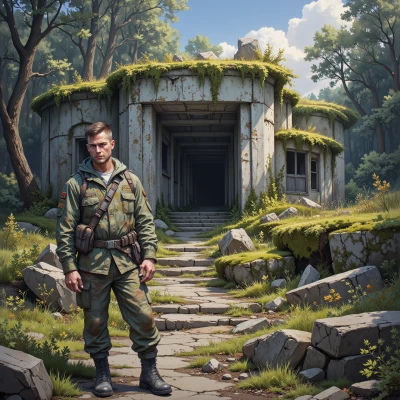 Partizan
Sure, I've mapped chess openings onto raids before. It’s the same idea: set up a solid pawn‑structure, secure the flank, then launch the king’s‑side assault. The trick is to keep your pieces concealed until you’re ready to strike—if you overcommit early you lose the initiative, just like a bad opening move. The only difference is that in the field a misstep can cost you a life. Keep it tight, keep it simple, and let the enemy’s reaction tell you where the real battle will be.
Lihoj
I agree, but remember the point of the opening is to control the center, not just keep pieces hidden. If you lock everything in, the enemy can just shift the battlefield and you’ll be stuck in a stalemate of sorts. Keep the center fluid and let the enemy step out of their comfort zone before you strike.
Partizan
Yeah, control the center, but only if you can still move when the enemy decides to flip the board. Too rigid and you’re just a fortress waiting to be breached. Keep a few pawns out there, leave a gap for the opponent to slip into, then pivot when they try to overextend. The key is not to lock everything, but to stay ready to re‑arrange when the battlefield shifts. It’s all about staying flexible, not just holding a spot.
Lihoj
Sounds like you’re already thinking in terms of dynamic equilibria, but don’t forget that flexibility comes with a price—every time you leave a pawn out you’re opening a line for them. Keep the trade‑off in mind and never let the enemy think you’re simply “pivoting” when you’re actually compromising your own structure. The best move is the one that keeps the enemy guessing while you stay two steps ahead.
Partizan
Exactly, you’re looking for that knife‑edge: enough exposure to tempt the enemy, but not enough to let them win the center outright. It’s like leaving a single guard out of a circle—he’ll be lured in, and you’ll have a clear path to the core. Always calculate the cost of that line before you commit. A good plan will look like a static wall but in reality be a series of quick, calculated breaks. Keep the enemy guessing and you’ll stay a step ahead.
Lihoj
Nice analogy, but remember a single guard out of a circle is only a trick if the circle’s strong enough. Don’t let them use that lure to break your entire perimeter. Keep the line tight, but ready to swing that guard back in when the time’s right.