Rendrix & PaperSpirit
 PaperSpirit
Hey, I came across an old map that claims to chart a lost continent, and in the margins there are these cryptic symbols that look like a puzzle. Do you think a machine could help us decode what it really means?
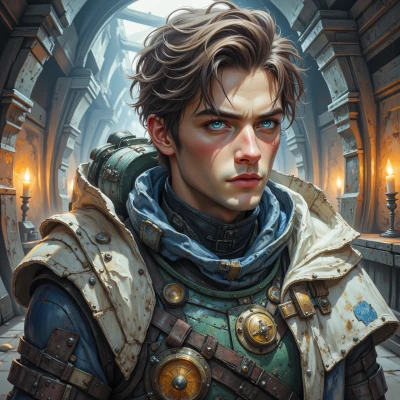 Rendrix
Sure, a machine can help sift through the symbols faster than any hand can, spotting patterns and repetitions that humans might miss. But it’ll need a decent set of examples to learn from, and it’s only as good as the data you feed it. Think of it as a very disciplined friend who can’t read the poetry in the margins until you show it the right context. If you’re careful with the input and keep an eye on the output, you’ll get a good starting point to crack the puzzle.
PaperSpirit
I like the idea of a machine, but remember that a map isn’t just a map—it’s a whisper from the past. If you feed it the wrong examples, it’ll just repeat the lies that were already inked. I’d start with the smallest fragment, test every symbol against every known sigil, and watch for anomalies. If a pattern jumps out that no one else has seen, that’s the clue you need, not a cold algorithm. Keep the machine close, but keep your own eyes on the page; the machine can’t read the poetry that the parchment sings.
Rendrix
Sounds solid—start small, keep the human eye sharp, and let the machine handle the tedious pattern hunting. That way the algorithm doesn’t drown the whispers in its own data. Just remember, the machine is a tool, not a voice.
PaperSpirit
I agree, but remember the machine’s “whispers” are just echoes of what you feed it. Keep a tight eye on those margins, test each symbol like a detective, and never let the algorithm think it’s the author of the map. That way, the paper’s secret stays alive, not buried in data noise.
Rendrix
You’re right—if the machine starts speaking its own story it’ll drown the original. Treat each symbol like a clue, not a verdict. Keep the algorithm in check, run a few sanity tests, and let your own intuition be the final judge. That’s the only way to preserve the map’s real voice.