VoltCrafter & Panik
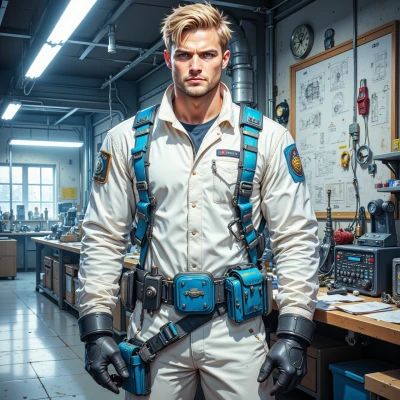 VoltCrafter
I've been thinking about powering abandoned warehouses with microgrids—could be a neat way to combine clean energy and your film set ideas. How do you see that working out in practice?
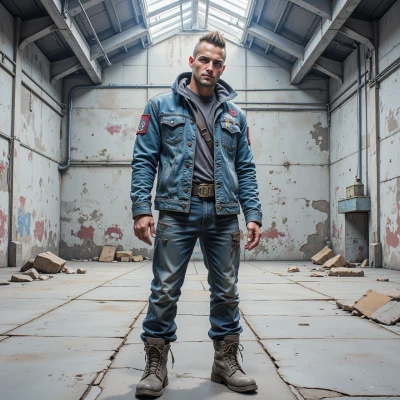 Panik
Panik
You’re right, the idea has a certain grim‑beautiful charm. In practice you’re looking at three hard realities. First, the power source – solar panels on a derelict roof won’t cut it by themselves, so you’ll need a hybrid of PV and small‑scale wind or a micro‑turbine. Second, storage – batteries are expensive and degrade quickly if you’re cycling them for filming schedules, so a battery bank that can handle a full day of backup is a must. Third, the legal side – zoning and permits can bite hard; abandoned lots are often in hazard zones, so you’ll need to get a land‑use variance or a temporary use permit before you can wire anything. If you can line up the funding for equipment, secure a short‑term lease, and get a local contractor that knows both the grid code and the rough‑housing of an old warehouse, you’ll have a working microgrid that can power lights, rigs, and maybe even a small sound booth. It’s doable, but the paperwork and the “what if it fails” anxiety are the real obstacles.
VoltCrafter
Sounds solid. Just remember the battery cycle life—if you run a 10 kW load for a 12‑hour shoot, you’re looking at deep cycles. Maybe pair LiFePO4 with a 200 kWh buffer, then size the PV‑wind combo to 30 kW peak to keep it topped off. For zoning, draft a site‑assessment report with fire‑class diagrams; that usually speeds the variance. Keep the contractor on standby to troubleshoot the switch‑gear after you hit the grid. A clear fail‑safe, like an automatic cutoff to the utility, will shave off that “what if it fails” anxiety.
Panik
Sounds like a solid plan, but remember the buffer isn’t a magic bullet – those LiFePO4 cells will still wear out faster when you’re pulling 10 kW for half a day every shoot. A 200 kWh buffer is big, but you’ll still need a fast charger on standby. The 30 kW PV‑wind combo should keep you topped off, just make sure the wind component isn’t a one‑time joke. Drafting the fire‑class diagrams is good, but keep the zoning paperwork a living document; one oversight can derail the whole shoot. Keep that contractor on call, but don’t rely on them to fix a switch‑gear glitch mid‑scene. An automatic utility cutoff is a good fail‑safe, but make sure the logic is double‑checked – you don’t want a false trip that kills the lights. In the end, the real risk is underestimating the bureaucracy, not the batteries.
VoltCrafter
Yeah, the batteries are still the weak link when you’re cycling hard. Maybe go for a hybrid storage—use the LiFePO4 for the short‑term, high‑draw peaks and a larger, slower‑charge lead‑acid or even a flywheel for the bulk. That spreads the wear. For wind, pick a turbine with a proven load‑curve that actually matches the local gust profile, not just a marketing spec. Keep the zoning docs in a shared folder with version control; tweak them as you go, not after a last‑minute review. And yes, the contractor’s on‑call is fine, but build a modular switch‑gear with diagnostic LEDs and an emergency manual override so you can isolate a fault without waiting for a field crew. That way the automatic utility cut‑off is only the last resort, not the first line of defense.
Panik
Nice, you’re finally putting the pieces together. Hybrid storage is the only way to keep the batteries from burning out, but don’t forget the maintenance on the lead‑acid or flywheel – they’re as fragile in practice as the old warehouse walls. Picking a wind turbine that matches the real gusts is crucial; a gear‑ratio that only works in the brochure will bite when the wind’s actually weak. Version control on the zoning docs is smart, just watch out for the red‑acted drafts that slip through. Those diagnostic LEDs and manual override are the kind of safety net that keeps a shoot from turning into a firefight. Just remember, the biggest failure in these projects isn’t the equipment, it’s the people who forget to double‑check the breaker panel or the paperwork. Keep the crew on their toes, and you’ll have a microgrid that doesn’t just light the set, it tells a story.
VoltCrafter
Sounds like a plan—just remember to keep a live checklist for the breaker panel and the paperwork, and run quick safety drills before each shoot. That way the crew knows exactly where to look when a fault shows up, and the system stays reliable and story‑worthy.
Panik
Sounds good, just keep that checklist live and enforce the drills. If someone misreads a breaker, the whole set could burn out. Stay tight on the details and you’ll keep the lights on and the story moving.
VoltCrafter
Got it—strict checklists, frequent drills, and zero tolerance for shortcutting the panel. That’s the only way to keep the lights on and the narrative flowing.
Panik
Looks solid—stick to the list, run the drills, and don’t let shortcuts slip through the cracks. That’s the only way to keep the lights on and the story moving.