Ding & Panik
 Ding
Ding
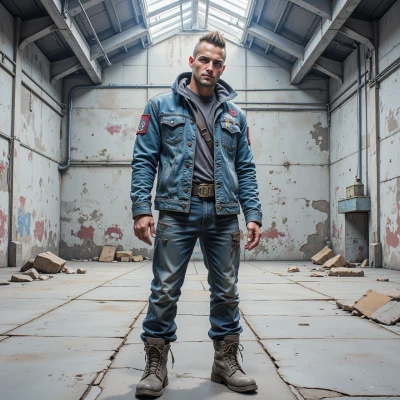
Hey Panik, I’ve been tinkering with AI that can map and “recreate” decaying urban corners—like a digital restoration that a film set or city planner could use. What’s your take on blending tech with gritty city decay?
 Panik
Panik
Sounds slick on paper, but watch out for the filter. Those algorithms will pick the cracks that look dramatic and clean up the rest, turning a crumbling alley into a stylized set piece. It’s a neat tool for a director or a planner, sure, but if you keep feeding it data that only shows “beautiful decay,” you lose the real grit—like the graffiti that tells the story, the smells, the noises. It can become a curated nostalgia, not an honest snapshot. Use it as a lens, not a final picture.
Ding
I hear you, and that’s a solid point. The line between stylized and authentic can blur quickly if we only show the “pretty” part. Maybe we should layer in some raw audio feeds or mixed‑media inputs so the algorithm doesn’t just surface the prettiest cracks. Keeps the narrative honest while still letting the tech do its job. Thoughts?
Panik
Raw audio can ground the image, it forces the system to notice texture, not just light. Mixing media keeps context but you’ll still have to pick what to amplify—otherwise the noise will drown the story. Think of the tech as a mirror, not a window. Keep a human eye in the loop to see what’s being left out.
Ding
Sounds like a good guardrail—use audio to anchor the visuals and keep the human in the loop so the algorithm doesn’t just chase the prettiest angles. Treat the tech as a tool that mirrors reality, not a storyteller that rewrites it. It’ll keep the grit real while still giving filmmakers or planners a useful snapshot.
Panik
Exactly, it’s all about keeping the human finger on the pulse so the machine doesn’t rewrite the scene. Keep it gritty, keep it real.
Ding
Right on. Think of it like a seasoned editor with a magnifying glass, making sure every splatter of paint and every echo of footsteps stays in the frame.
Panik
Sounds like a tight plan—just make sure the magnifying glass doesn’t turn into a filter that only shows what’s easy to edit. Keep the raw edges in, and the story won’t get too polished.
Ding
I’ll keep the tool in check—an extra layer of manual review to catch anything that looks too clean. That way the story stays gritty and the edges stay sharp.