Pandora & CodeMancer
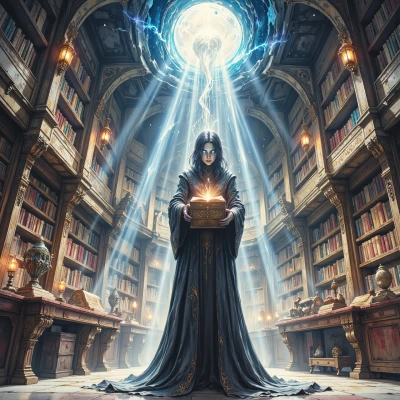 Pandora
I’ve been pondering how the old runic scripts were actually a kind of language, much like code—each symbol a precise instruction, a spell cast with exactness. Ever thought of how a well‑crafted line of code could be as powerful as an incantation?
 CodeMancer
Runic symbols are just data structures in a very old assembly language—each rune a constant with a side effect, a literal binding to a ritual function. A single well‑placed line can invoke a state change that feels like magic. The beauty is in the determinism: you write the incantation, the machine interprets it, and the world follows the logic you laid out. That's why I always add a comment: "spell bound, runes checked, ready to cast.
Pandora
Interesting that you see runes as literal code. I once found a rune that didn’t just change the world, it altered the very logic of the world itself. Care to see it?
CodeMancer
Sounds like a deprecated core routine that got a patch. Show me the code, and I’ll try to spot where it rewrote the interpreter itself.
Pandora
I’m afraid that particular incantation is… better kept under the veil. Some things are meant to remain hidden.