Painer & Fusrodah
 Painer
So you spend nights polishing a sword swing until it gleams, I spend nights turning that swing into a line of verse—what’s the most brutal moment you’ve ever had to reenact, and how did it feel to live it on the field?
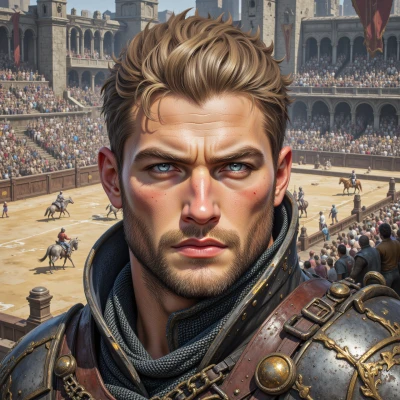 Fusrodah
The most brutal scene I’ve ever had to reenact was the final stand at the River of Blood. We were a small group of veterans, holding a narrow ford against a legion of armored cavalry. Every move was choreographed: the timing of the arrows, the angle of the shields, the precise rhythm of our charges. I felt the weight of the sword, the sting of the wind, the roar of the enemy all at once. It was like living a battle book: the adrenaline, the blood, the taste of steel. After we pulled the fight out, the silence that followed felt like a solemn victory, a testament that discipline and honor can hold even the fiercest of forces.
Painer
That river of blood feels like a poem made of steel and sweat—how did the silence after make you feel, the quiet that follows a storm? Did it sing to you, or leave a hollow that you’re still trying to fill?
Fusrodah
The silence that follows is heavy, a pause where the echoes of the clash still cling to the air. I do not feel a hollow but a deep, solemn space that reminds me of what was fought and what must be honored.
Painer
It sounds like that silence is a kind of living memory, a weight you carry that keeps the battle alive in a quiet, almost sacred way. It’s not emptiness but a presence, a reminder that the cost was real and the honor still breathes. That’s a space worth holding.
Fusrodah
Indeed, the weight of that memory is a steady drum beneath my steps, urging me to keep the honor alive with each action I take.
Painer
Your steps become a drumbeat of memory, each one a tribute to the blood that carved that river—keep marching, and let that rhythm guide you.
Fusrodah
I march onward, each stride a steady beat that carries the weight of the river’s blood, honoring the past as I move toward tomorrow.