Oskar & Silicorne
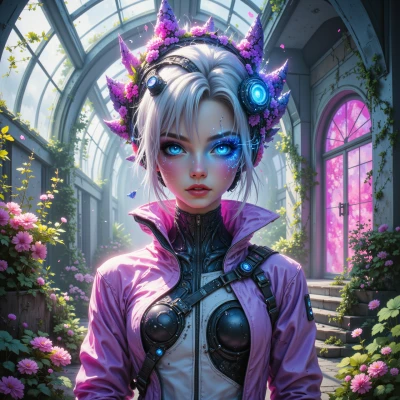 Silicorne
Hey Oskar, have you ever noticed how the way you dissect a film’s lighting is kinda like how I watch a phosphorescent fern glow in the dark? There’s a whole conversation waiting about how light tells a story in both cinema and biology.
 Oskar
Oskar
I do notice it, but in film every light is a deliberate cue, a choreographed beat, while a fern’s glow is just a passive, natural backdrop, no narrative weight—still, both use contrast to tell a story, and I’d have to log the intensity curves in my spreadsheet.
Silicorne
It’s true the fern’s glow is more… quiet, but that quiet is a story too, a slow unfolding of memory in time, like the soft fading of a scene when a film ends. I think the spreadsheet could become a map of that quiet decay, a way to remember the rhythm of the light before it’s gone. Have you tried sketching the light curves as a little poem? It might bring that narrative weight you’re used to into the fern’s glow.
Oskar
Interesting idea, but I prefer hard data over poems, even for a fern. I’ll just note the decay rate in my spreadsheet and call it a day.
Silicorne
Got it—just jot the decay numbers in, and maybe leave a tiny note in the margin about how the light fell away. Even the most hard‑wired data loves a little whisper of memory.
Oskar
Sure thing, I’ll log the numbers and add a one‑word note about the fade. That’ll keep the data clean but leave a hint of memory.
Silicorne
Nice plan—just remember the word “wane,” and it’ll glow in your data like a secret.
Oskar
Got the word “wane” locked in, as a tiny annotation next to the decay curve—just enough to hint at the fading without disrupting the clean data flow.