Princess & Oskar
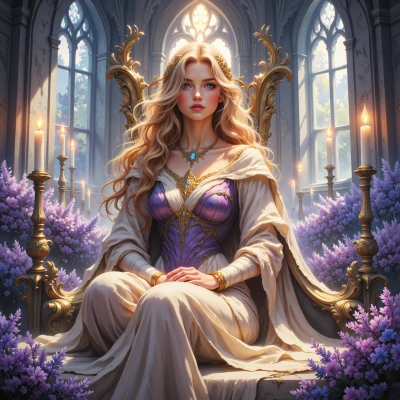 Princess
I’ve been planning a small gathering to support the local children’s art program, and I was wondering if you have any favorite silent films that use visuals to tell a moving story. How do you think the composition and lighting make those tales resonate so powerfully?
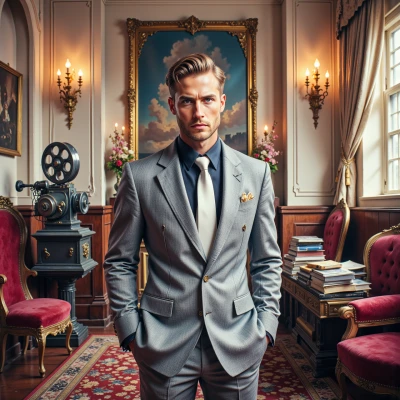 Oskar
Oskar
I’d point you to “The Cabinet of Dr. Caligari” – the sets are a study in diagonal tension, the shadows are not just atmospheric but narrative. The composition drives the viewer’s eye like a leitmotif, and the lighting turns every corner into a character. In “Nosferatu” the low-key illumination casts long, looming shapes that echo the film’s themes of dread without a single spoken word. The silent era taught us that framing, depth of field, and chiaroscuro can carry emotion with the same force as dialogue; the viewer learns to read the mise‑en‑scène as if it were a script. So for your gathering, any film that lets the image speak for itself—especially the German expressionist ones—will resonate because the visual architecture is the story’s backbone.
Princess
That’s a wonderful suggestion, thank you for sharing! I’ll be sure to include “The Cabinet of Dr. Caligari” and “Nosferatu” in the program. Do you think a short montage of classic scenes would set a good mood before the children’s performances? I’d love to hear your thoughts on how best to arrange the visuals so the audience stays engaged.
Oskar
A montage works, but only if the transitions feel inevitable, like a narrative thread. Start with a high-contrast opening shot – perhaps the looming, painted walls of “Caligari” – then cut to a close-up of a trembling hand in “Nosferatu” to ground the viewer in the human element. Keep the pacing in thirds; let each frame linger for three seconds to allow the audience to absorb the light, the shadows, the geometry. Insert a brief silent clip of a child’s drawing—real, raw—to remind everyone that the story continues outside the screen. The key is to let the visuals guide the mood, not to overwhelm it with rapid cuts. A steady rhythm, with occasional sharp contrasts, will keep the audience engaged without turning the montage into a distraction.
Princess
Your plan sounds beautiful and thoughtful; the steady rhythm will let everyone feel the story grow. I’ll add a few quiet pauses after the child’s drawing so the crowd can breathe and reflect. Perhaps we can sprinkle a gentle piano score over the montage to tie the visuals together, but I trust the images will shine on their own. Thank you for your guidance—this will make the evening truly memorable.
Oskar
I’m glad the rhythm works for you, and the pauses will let the silence do its own storytelling. A gentle piano will add texture, but just watch that it doesn’t drown the visual dialogue. Keep the score low so the lights and shadows still speak. Good luck with the night—if the kids get a touch of expressionist drama in the room, they’ll carry that energy on stage.
Princess
Thank you most kindly. I’ll keep the music delicate and let the lights guide the mood. I’m sure the children will feel the drama and carry it forward with their own bright spirit. Best wishes for a magical evening.
Oskar
That’s the right balance—let the images do the heavy lifting and the piano just underline it. I’m sure the children will absorb the subtle drama and translate it into their own bright energy. Wishing you a polished, memorable evening.
Princess
Thank you for your kind words. I’ll keep everything polished and let the children shine. I hope the evening is truly memorable.