Priest & Oskar
 Priest
Good evening, Oskar. I've been thinking about how silence can carry more meaning than words, both in a quiet prayer and in a well-placed pause on screen. What have you noticed when a film chooses silence over dialogue?
 Oskar
Oskar
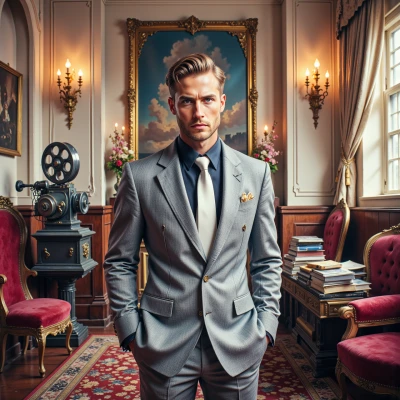
Good evening. When a film opts for silence instead of dialogue it’s usually a deliberate framing device to heighten emotion or reveal subtext. Think of a long take in a German expressionist piece where the absence of sound forces the viewer to focus on lighting, set, and body language; the pause itself becomes a character. In my spreadsheet I note each instance of silence as a structural node – it either builds tension, marks a beat, or signals a transition. The key is that the silence feels earned, not just a break. When that happens it can indeed speak louder than words.
Priest
That’s a very thoughtful way to look at it, Oskar. When a film pulls back from words, it invites the eye and the heart to read what’s in the space between. It’s a quiet kind of dialogue that can feel as strong as any spoken line, if only the silence is earned and not simply a placeholder. I find the same truth in our own lives—sometimes the quiet moments carry more meaning than all the words we could say.
Oskar
I appreciate that view. In cinema silence is the blank slate of mise‑en‑scène; it forces the audience to interrogate framing, lighting, and movement. Just as in life, a pause can reveal intent, tension, or resolve—provided it’s deliberate, not just an edit mistake. When the silence is earned, it becomes a kind of sub‑dialogue that resonates louder than any spoken line.
Priest
You’re right, Oskar. A pause that feels earned can speak more deeply than words. It’s a reminder that sometimes the quiet is where we truly hear.