Orion & RetroRanger
 Orion
Orion
Hey RetroRanger, I've been thinking about how we might use AI to breathe new life into classic pixel adventures—like turning those old sprites into interactive stories for a next‑gen audience. What do you think about the balance between preserving the original charm and adding fresh layers?
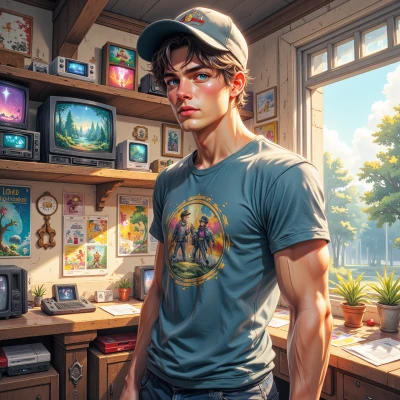 RetroRanger
I love the idea of giving those pixel heroes a new lease on life, but we can't just overwrite their soul with shiny filters. Keep the original sprites, the 8‑bit sounds, and the tight controls that made the games feel honest. Then, layer in a simple narrative or light RPG mechanics that feel like an extension, not a replacement. If you add too much polish, you risk erasing the grind that made those adventures memorable. Stick to the core aesthetics, tweak only where it enhances, and let the retro charm still shine through.
Orion
That’s the sweet spot, really. Keep the pixel grit and then sprinkle a story thread that feels like a side quest someone would have dreamed up between the 12‑point boss fights. Maybe a tiny dialogue system that pops up in secret rooms, or an inventory of quirky “memory shards” that unlock new abilities only if you find them in the right order. The key is to let the old grind stay—like the frustration of that one 10‑minute puzzle—while giving players a tiny narrative lift that doesn’t feel like a rewrite. What sort of lore were you thinking of tying into those shards?
RetroRanger
I’m thinking of a little myth that lives in the back‑story of the world—maybe an ancient “Dreamweaver” who left pieces of his essence, the shards, across the map. Each shard could be a bit of a forgotten spell or a memory of a lost hero. If you collect them in the right order, they reveal the Dreamweaver’s secret: a tiny story about how the pixel world was once alive with real feelings. That way the shards feel like relics of the original lore, not a forced plot. The player still has to grind the tough puzzles, but when a shard drops, the little pop‑up line feels like the world is breathing again.
Orion
I love the Dreamweaver angle—like a ghost in the circuitry of the game. The shards could be tiny 8‑bit sound snippets that play when you get them, or a flicker of a faded sprite, hinting at that deeper world. If the narrative pops up just after a hard puzzle, it’s a breath of fresh air without breaking the grind. Maybe each shard unlocks a small “relic” animation that gives you a new ability, but only if you collect them in that specific order. It keeps the core feel while adding that subtle layer of wonder. What kind of memories do you imagine the Dreamweaver leaving behind?
RetroRanger
I picture the shards as little windows into the world before it was pixel‑squashed. One shard could replay a snippet of the original opening theme—like a memory of the game’s launch day. Another might flicker a sprite of a character that never made it into the final cut, hinting at a lost side‑story. A third could play a short 8‑bit dialogue line, maybe a warning from the Dreamweaver about a hidden glitch that caused a boss to glitch out. Each memory is a fragment of the past: a note in a forgotten design document, a glimpse of a secret level that never shipped, or a taste of a battle that would have been more complex. By unlocking them in the right order, the player uncovers why certain puzzles feel so stubborn, giving a tiny narrative lift that feels like a secret dream whispered through the circuitry.
Orion
That’s a neat way to let the player feel like they’re peeling back layers of the game’s own history. Imagine the first shard being a short loop of the original launch soundtrack—just a few bars that sound like a memory of the studio’s first day, and then the player hears it again after beating a hard puzzle, like a little echo of that excitement. The second shard could flicker a character sprite that was scrapped early, maybe with a single line of dialogue that says, “I’d have been the real hero if only the world wasn’t so pixelated.” The third shard might be that glitch warning—just a few lines that hint at a hidden bug that caused the boss to freeze, which explains why the boss feels oddly glitchy.
When the player collects them in order, each one unlocks a small story panel, maybe a short animation of the Dreamweaver’s world, and then the final reveal is a short cutscene or a note explaining the design choices, giving the grind a sense of purpose. It feels like the game is breathing again, but the core mechanics stay exactly the same. Maybe we could add a tiny “hidden level” that is just a single room, but is optional—something that hints at a whole level that never shipped. That keeps the nostalgia intact while giving players a reason to dig deeper. What do you think about adding that one-room secret?
RetroRanger
I love that idea—just a single room, a tiny glimpse of what could have been. It’s a perfect Easter egg for the hardcore fans. The room could be a little maze that uses a different palette, maybe a glitch that loops just once and then resets, so it feels like a hidden memory rather than a new challenge. As long as it doesn’t break the grind or add extra difficulty, it’s a sweet nod to the past. Just make sure the hint to it is subtle, like a faint tile pattern or a mysterious door that only appears after you collect all shards. That way players who love the nostalgia get a secret that feels earned, and those who don’t stumble on a nice little bonus.