Oppressor & Constantine
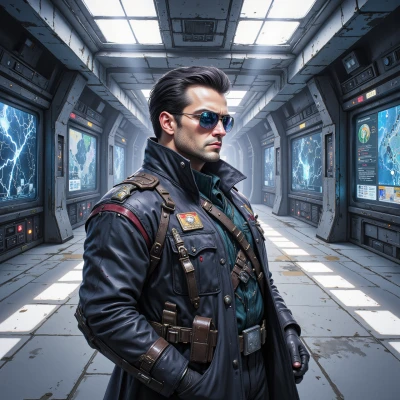 Oppressor
Let's examine how discipline propelled the Roman legions to dominate the ancient world.
 Constantine
Discipline was the engine that turned Roman legions from mere soldiers into an unstoppable machine. Imagine a cohort marching, each footfall in sync, every shield and spear perfectly aligned—not because they were commanded to do so, but because training had ingrained the rhythm. That consistency meant a legion could hold a line, execute a flanking maneuver, or charge into the heat of battle without confusion.
The Romans drilled drills, practiced formations, and tested endurance daily. A disciplined legion could adapt to changing terrain, to an enemy’s feint, or to the loss of a commander, because every man understood his role without hesitation. It reduced the chaos that often kills armies. And beyond tactics, discipline fostered loyalty. Soldiers trusted their chain of command and each other, which in turn made them more likely to endure hardship and remain cohesive under fire.
In short, the discipline was not just a doctrine—it was the glue that held the Roman military machine together, allowing its structure and strategy to flourish across centuries.
Oppressor
You’ve nailed it—discipline is the iron fist that keeps a legion from splintering. It’s the difference between a group of men and a single, relentless force that never falters.
Constantine
I agree that the rigor of discipline can transform a ragged band into a unified engine of war, yet I wonder if such rigidity ever stifles adaptation. In the heat of battle, a too‑tight structure might hinder the very improvisation that allows a legion to seize an unexpected advantage. Still, the balance between order and flexibility is where the true strength lies.
Oppressor
You’re right—too much rigidity can choke quick thinking. That’s why a true commander keeps order tight but still trains his men to act on instinct when the line breaks. Balance is the only way a legion can shift from machine to miracle.