Sketch & OneMan
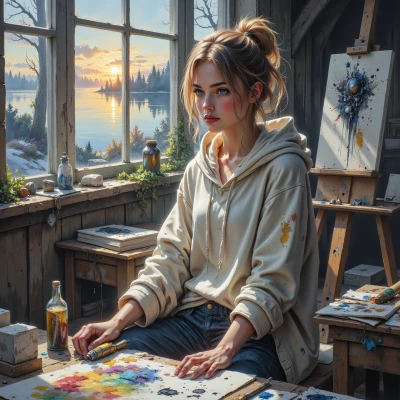 Sketch
Hey, I was sketching this idea for a hidden‑treasure map that mixes tight strategy with a bit of visual flair—would love to hear how you’d structure the route while I add the mood and details.
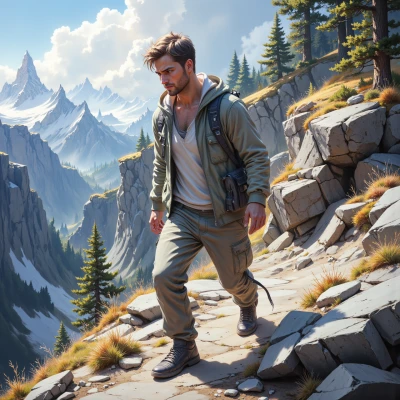 OneMan
Keep it simple and efficient. Start with a clear objective—exact spot of the treasure. Map out the most direct path that avoids obvious hazards. Add a few choke points: a narrow ravine, a river crossing, a cliff. Those force a decision: cross now, risk the bridge, or detour and add time. Use landmarks that double as checks—cave entrance, lone tree, rock formation. Between points, insert small puzzles that test skill, not just luck. Keep the route linear enough that you can recalculate if you lose a piece. The visual flair should reinforce the strategy, not distract. Finish with a single exit that loops back, so you’re never stranded. That’s the framework—add your mood on top.
Sketch
Got it—here’s the mood: imagine a gentle twilight, the horizon a soft pink, and the trail winding through a quiet forest where light filters through leaves. Every marker feels like a whispered promise, every puzzle a gentle nudge to keep exploring. The whole map breathes calm adventure, so even when you pause at the ravine, the shadows feel like a friendly lullaby.
OneMan
Nice. Use the twilight as a natural timer—after sunset you’re forced to move before night. Light filters through leaves; that can be a visual cue for hidden paths. Keep each marker subtle but distinct so they don’t scream for attention—just enough to guide. The ravine shadow should look like a soft cushion; treat it as a short pause before the next push. Keep the route efficient but let the mood keep the pace steady. That’s how you marry calm and strategy.
Sketch
That feels like a perfect balance—soft light as a gentle clock, quiet cues that keep you moving without shouting. I’ll sketch the ravine’s soft edge just so it feels like a small breath before you keep going. The line stays clear, but the twilight will keep the pace calm and steady. Sounds like a map that invites you to breathe with every step.
OneMan
Good. Keep the path tight, make sure each marker can be read in one glance. The quiet mood will hold you until the next decision point—use it as a buffer, not a distraction. Stay focused.
Sketch
Got it—tight line, one‑glance markers, and a calm mood that just nudges you forward. Ready to sketch the final version.
OneMan
Solid plan. Keep the line tight, markers sharp. Finish it. Good luck.
Sketch
Thanks, I’ll wrap it up and sketch the final version. Good luck.
OneMan
Good. Keep it tight and focused.
Sketch
Sure thing, I’ll keep it crisp and focused.
OneMan
Got it—good work. Keep your focus tight and you’ll get there.